Flying Machines
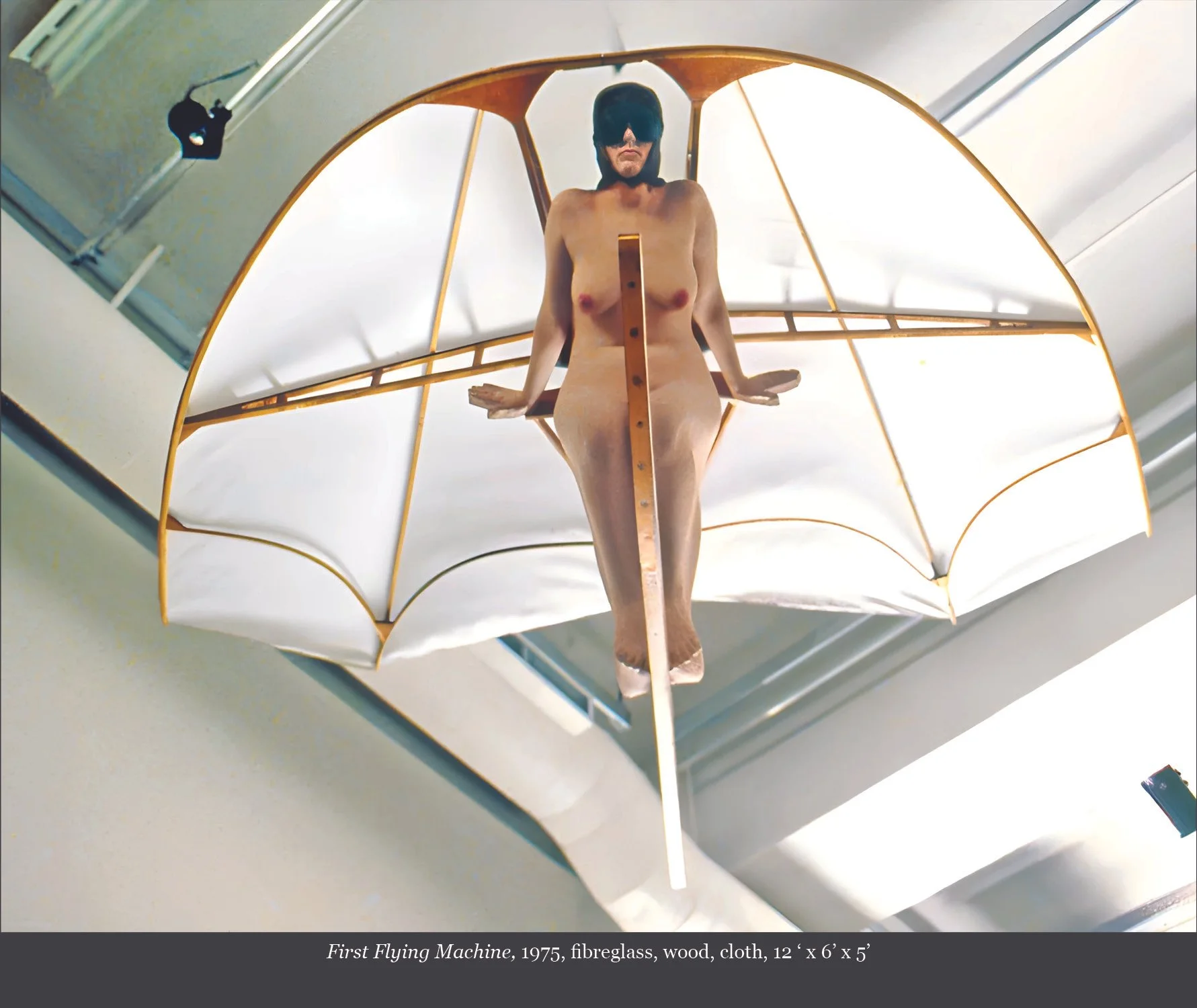
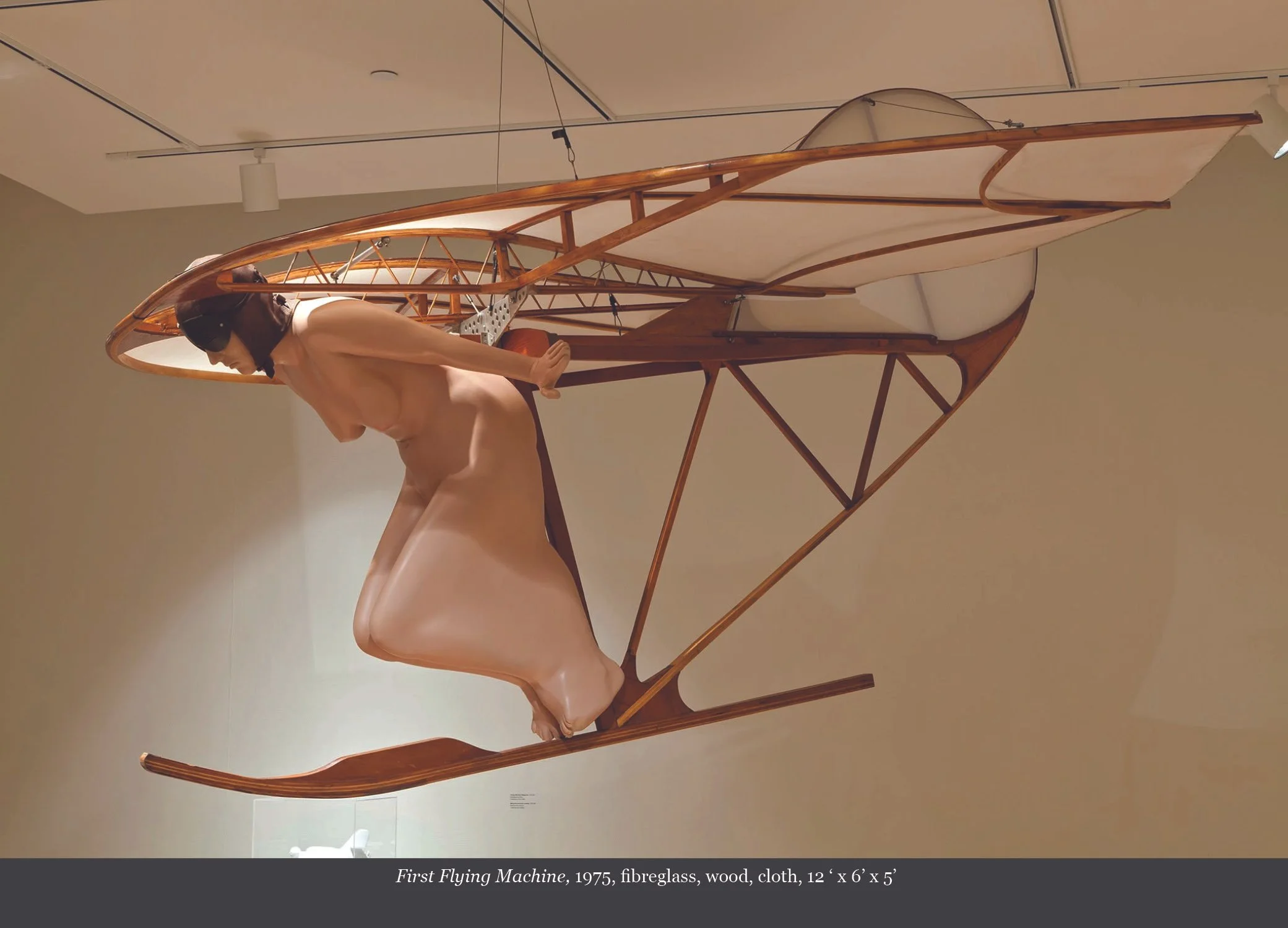
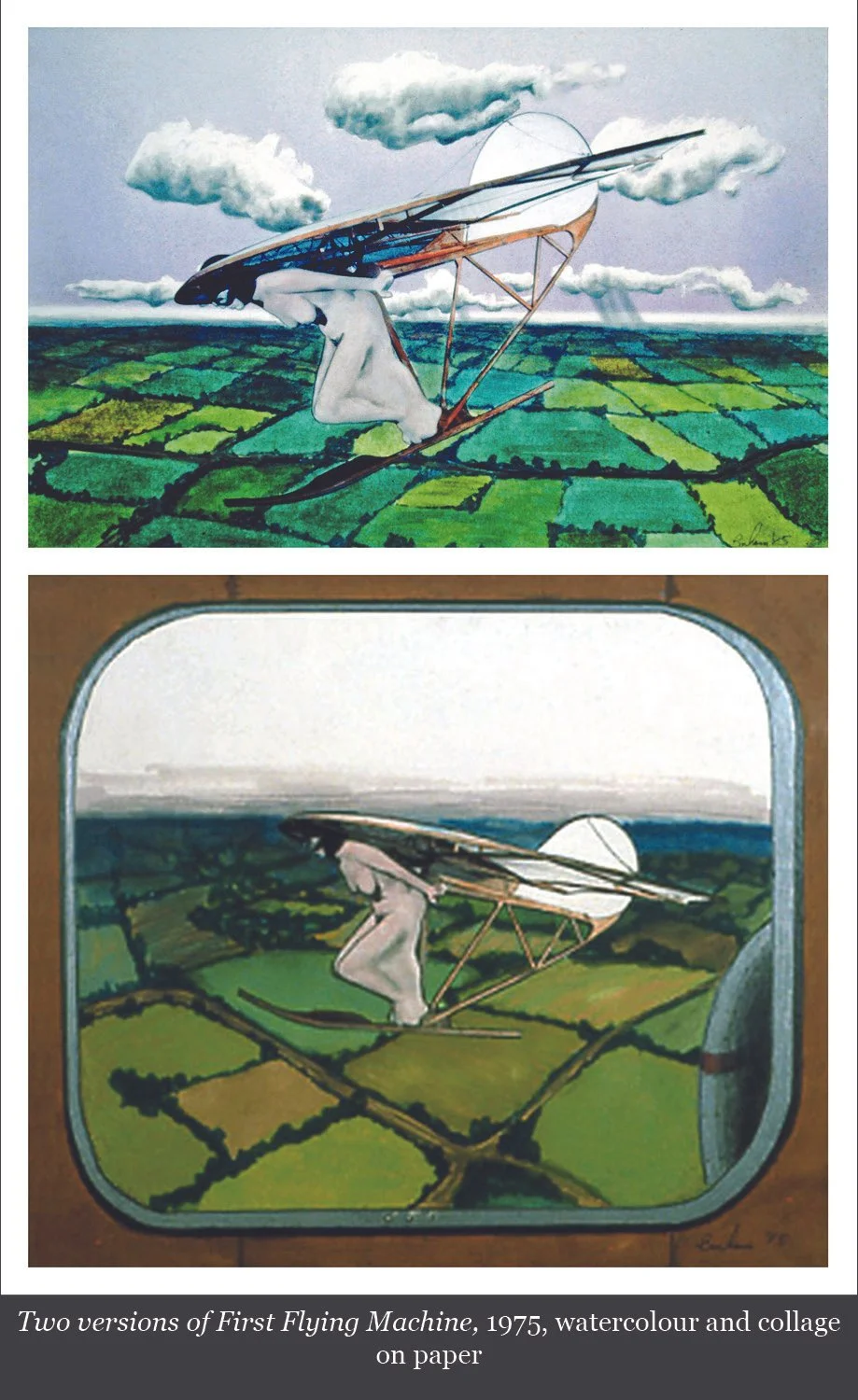
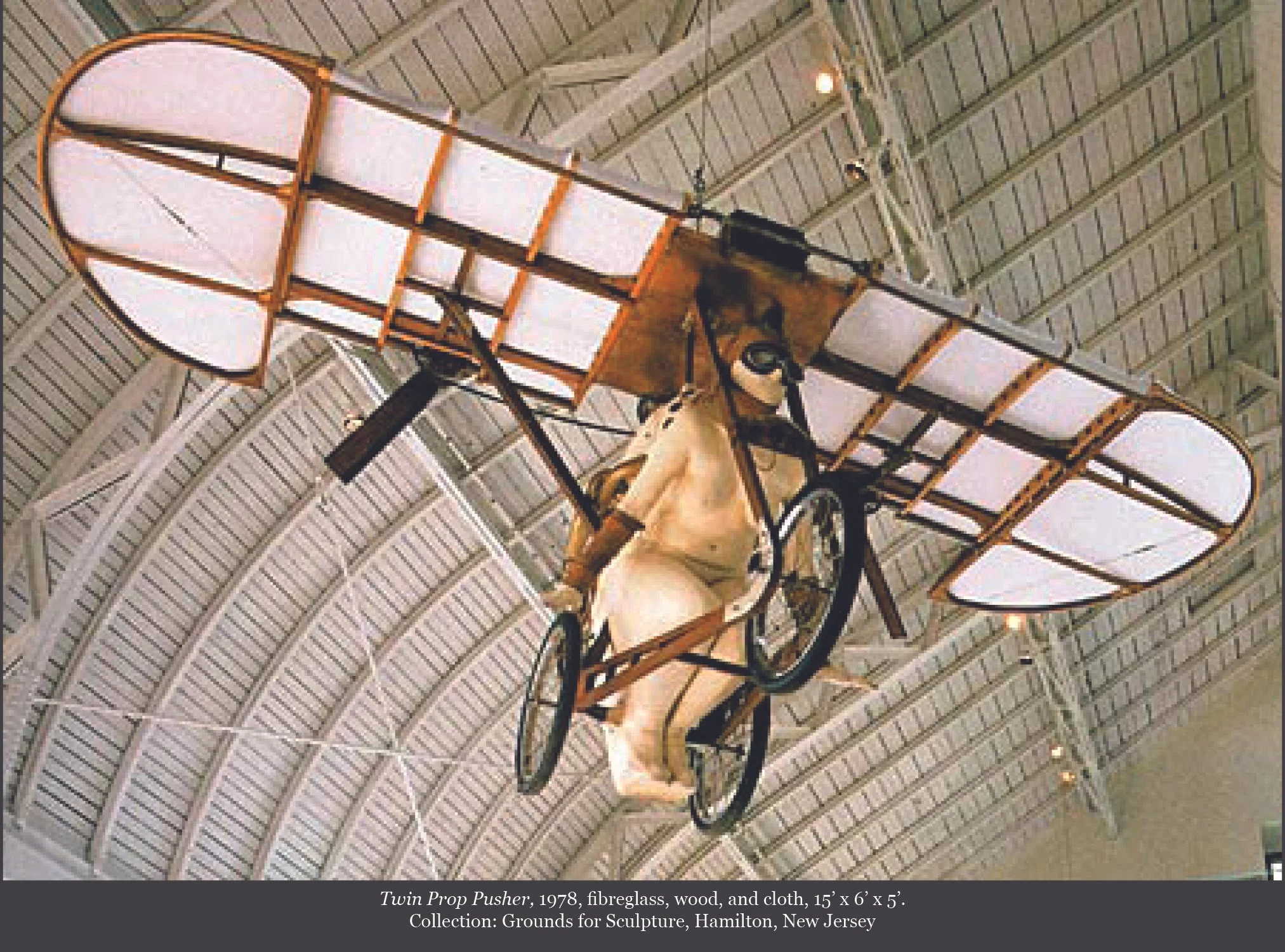
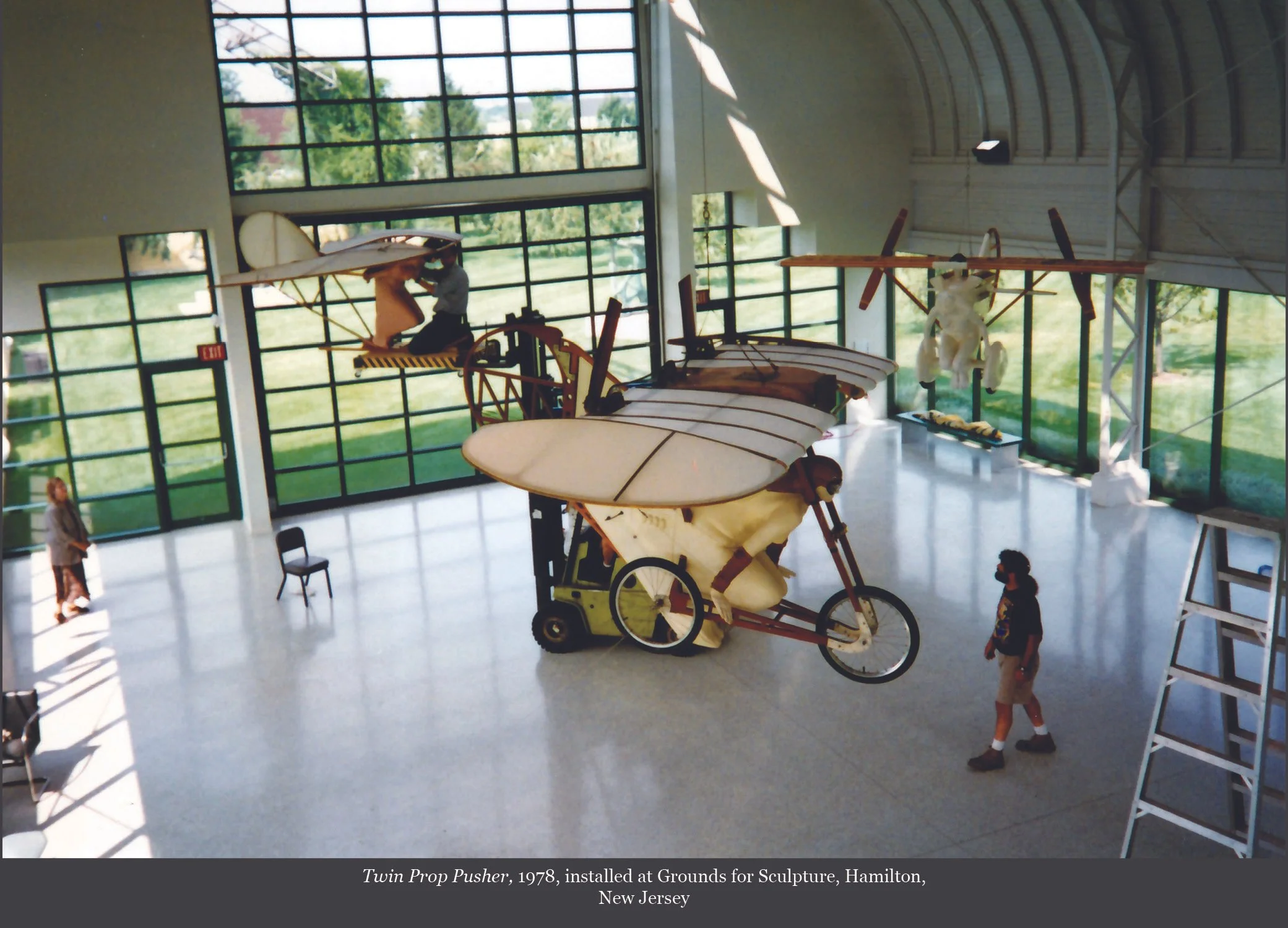
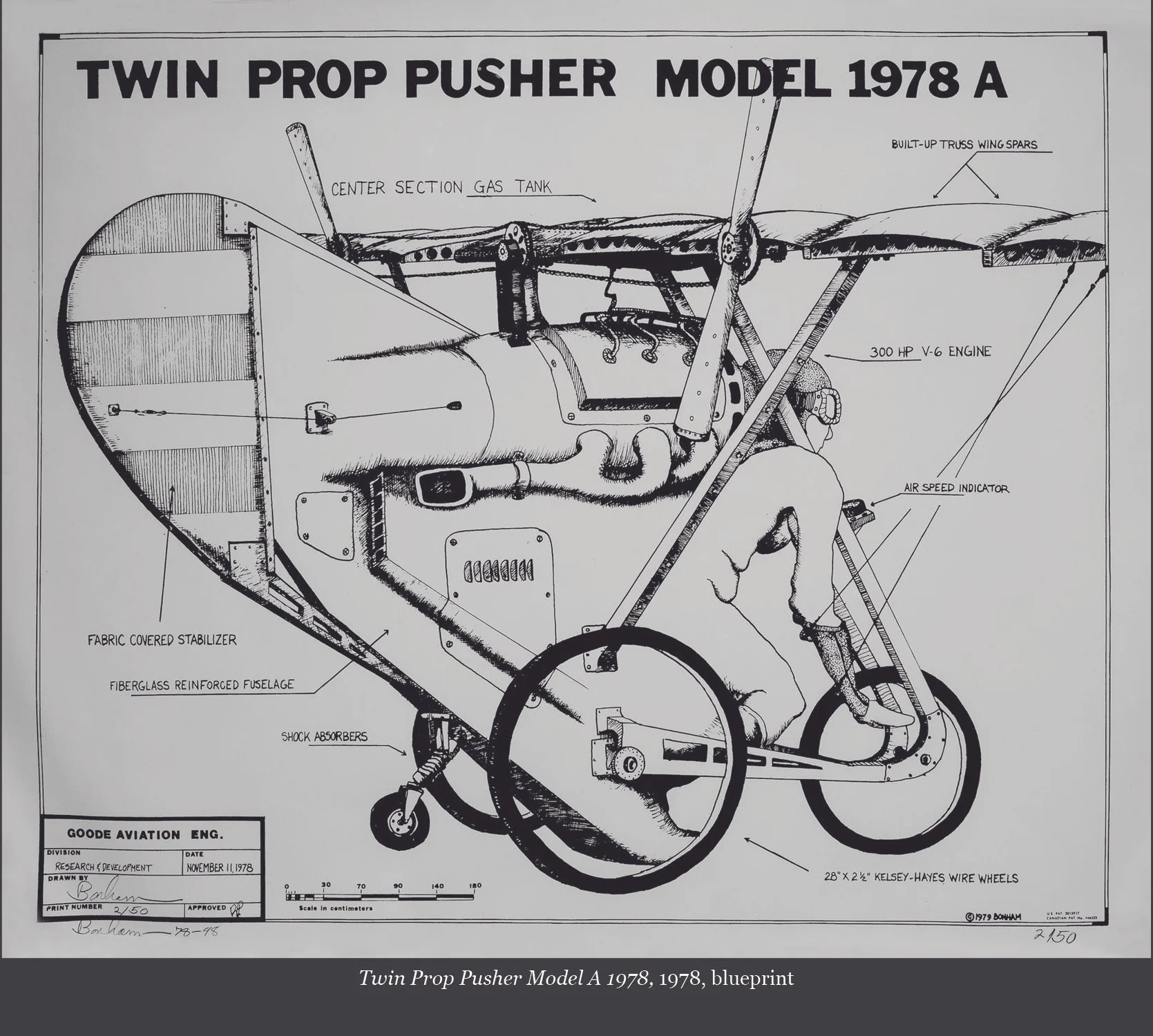
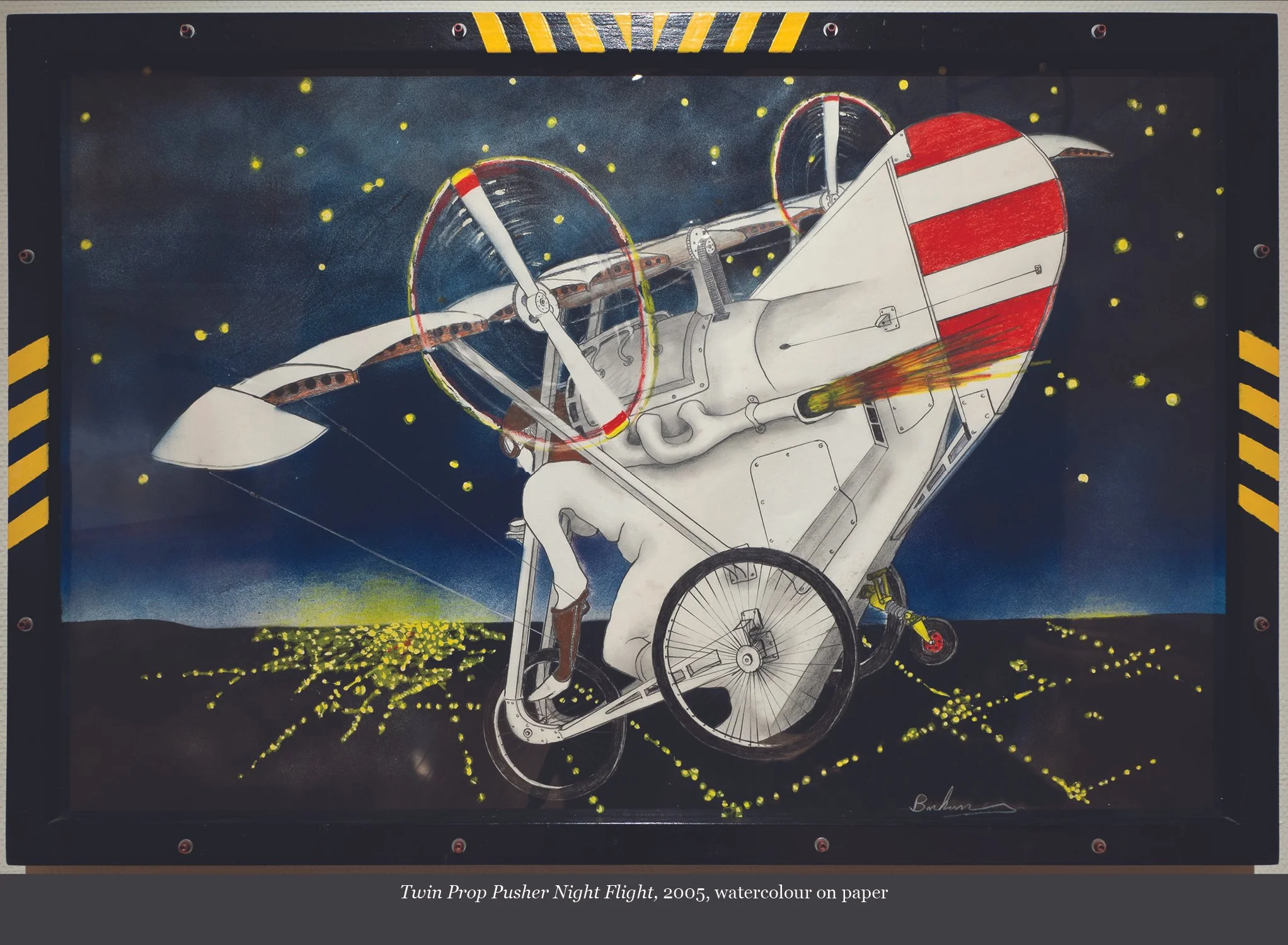
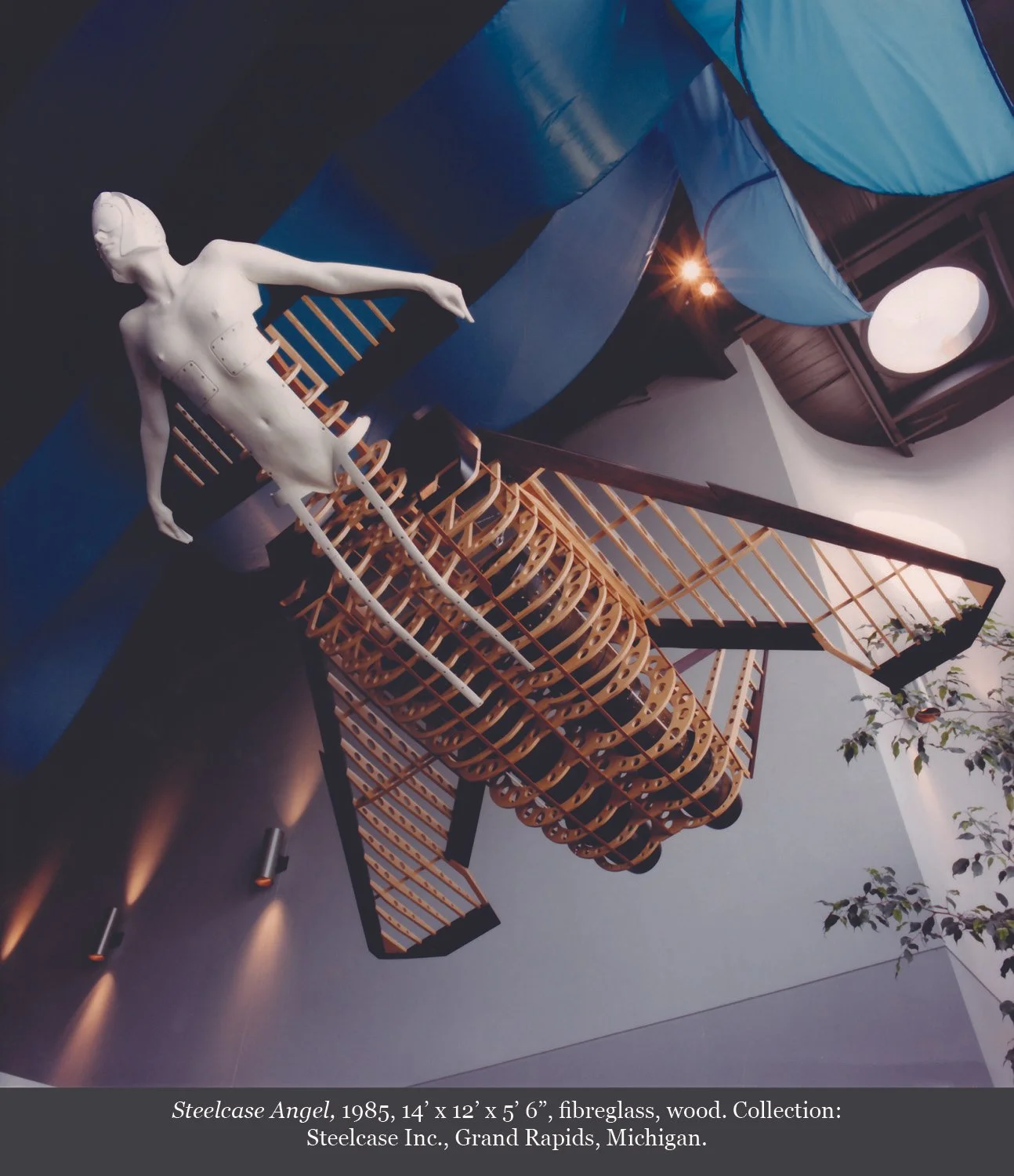
Don Bonham had a deep and abiding interest in the history and design of aircraft, and would visit NASA and the Pensacola air force base to keep abreast of the latest innovations in aviation design. With its high ceilings and work space setup, his studio resembled an airplane hangar.
However, ironically, he refused to fly and would only step foot in an airplane in the case of an emergency. He detested the whole experience of booking flights, waiting in crowded airports, and sitting in small airplane seats with little leg room.
About his flying machines, he mused, “People come up to me all the time and ask me if they work.
I tell them that I build them, but I don’t fly them. They work in my fantasies. I can see the angels flying.”
Although non-functioning, except as art, Bonham’s techno mythological angels are based on actual flying model craft, and combine fibreglass casts of female figures with handcrafted parts of wood, aluminum, cloth, leather, and actual aircraft-quality stainless steel hardware.
The artist stated: “My art draws a correlation between angels and machines; both confront humankind with the duality for good and evil and with having to choose one or the other, over and over again. The future for all of us depends on these choices.
The gap between man and machine is constantly shrinking. Are we to become more like machines or machines more like us? The creators of technology have already imbued their machines with human characteristics and this tendency has created a more hospitable environment for their acceptance by society. As an artist I am only enlarging upon this concept and drawing my own conclusions, and yet at the same time I am creating a new metaphor to address the timeless struggle of man to overcome this evil that hides within us all.”


Top: Twin Prop Pusher in the Landscape, 1981, watercolour, pencil crayon, airbrush on paper, 26” x 40”;
Bottom: Twin Prop Pusher and Stars, 1981, mixed media on paper. A-Racer, 1979-81, fibreglass, wood, metal, 15' x 6' x 5.5
Ghost Ship 1, 2 and 3, 1980, each 22” x 28”. Collection: Beaverbrook Art Gallery
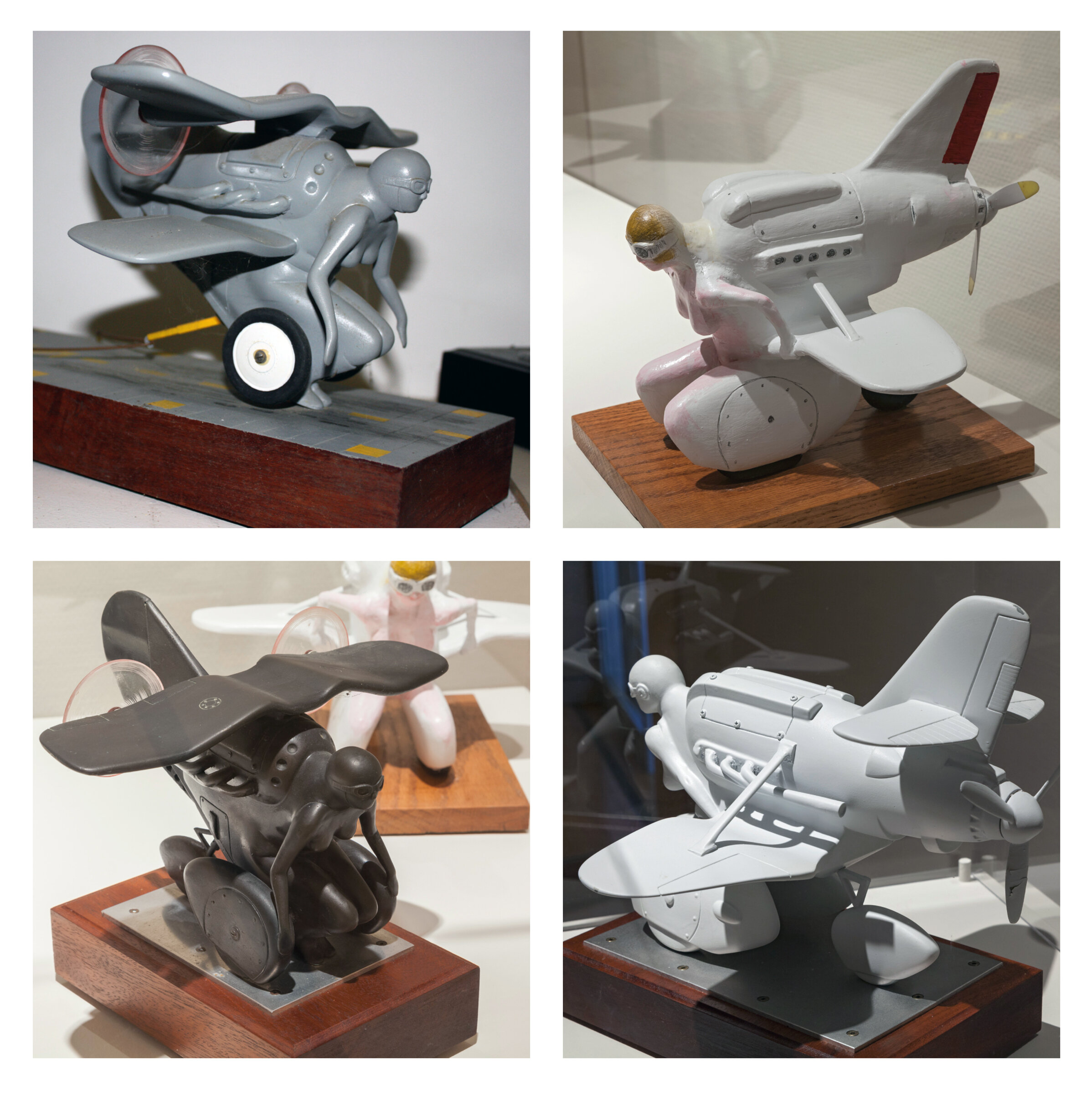
Maquettes: Top L: Carrier Deck, 1996, fiberglass and wood; Top R: Flying Machine Maquette #1, 1977, clay and wood; Bottom L: Twin Prop Pusher, 1983, bronze; Bottom R: Flying Machine Maquette, 1979-80, fibreglass and wax