Techno Mythologies
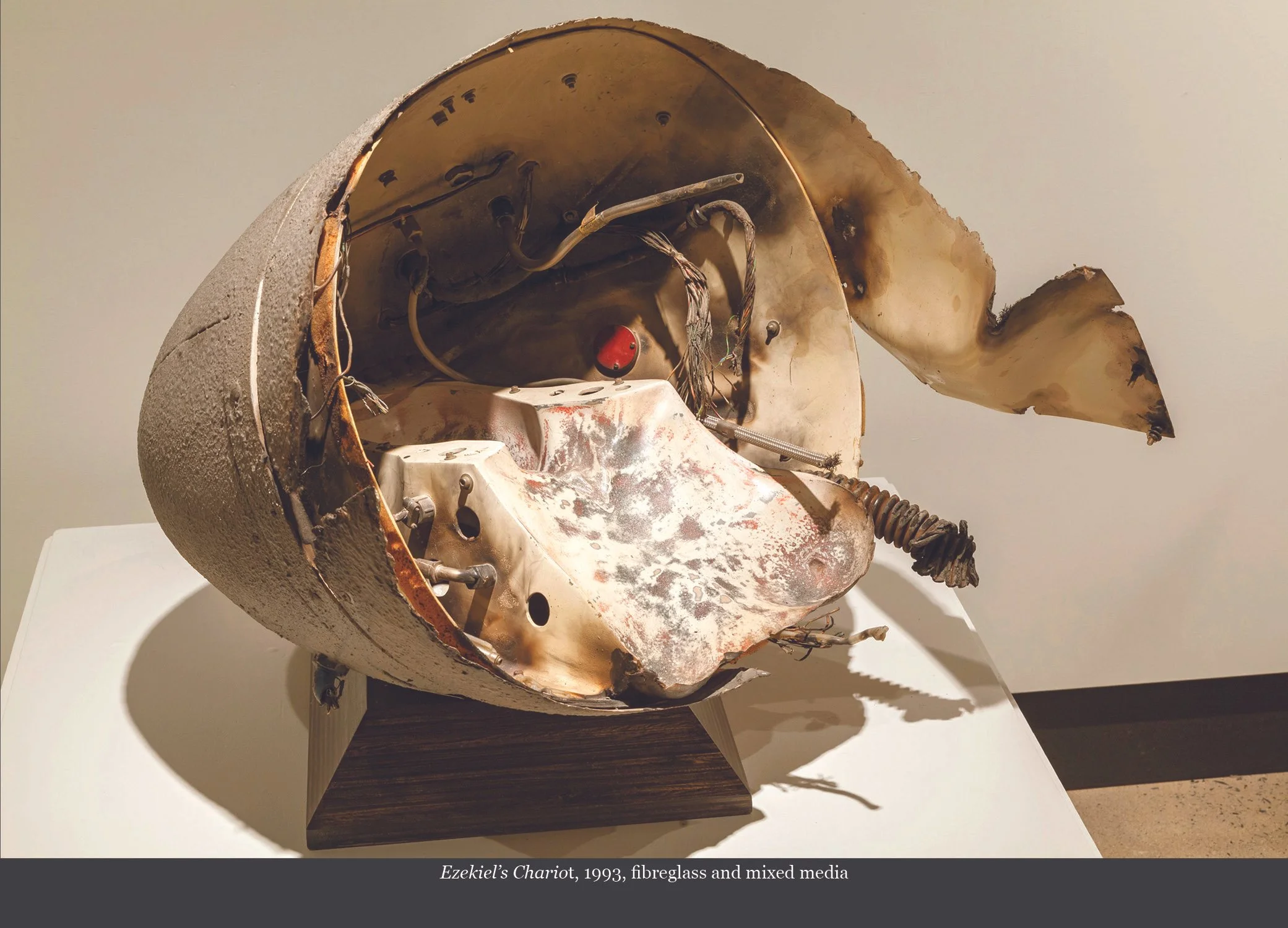
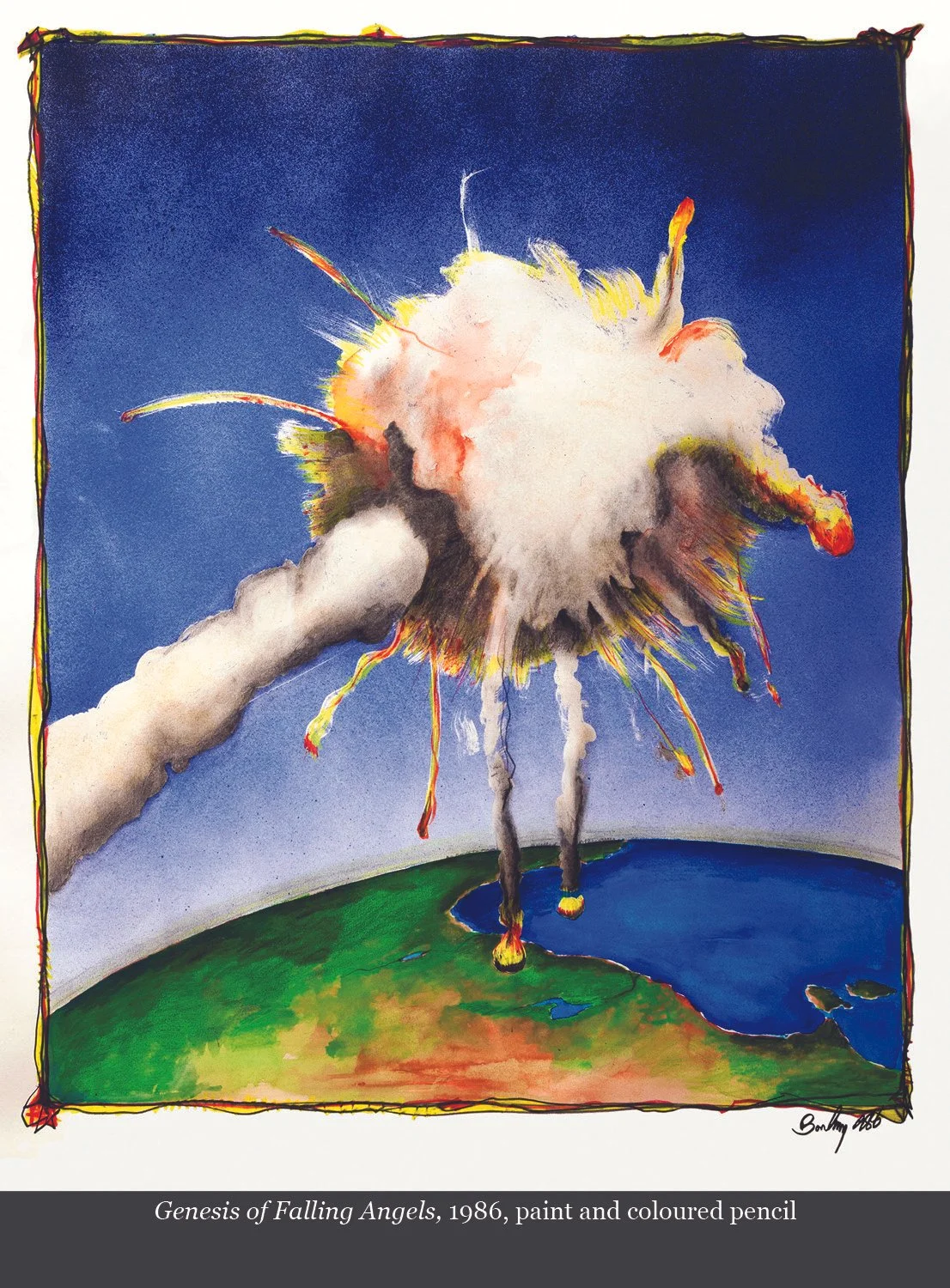
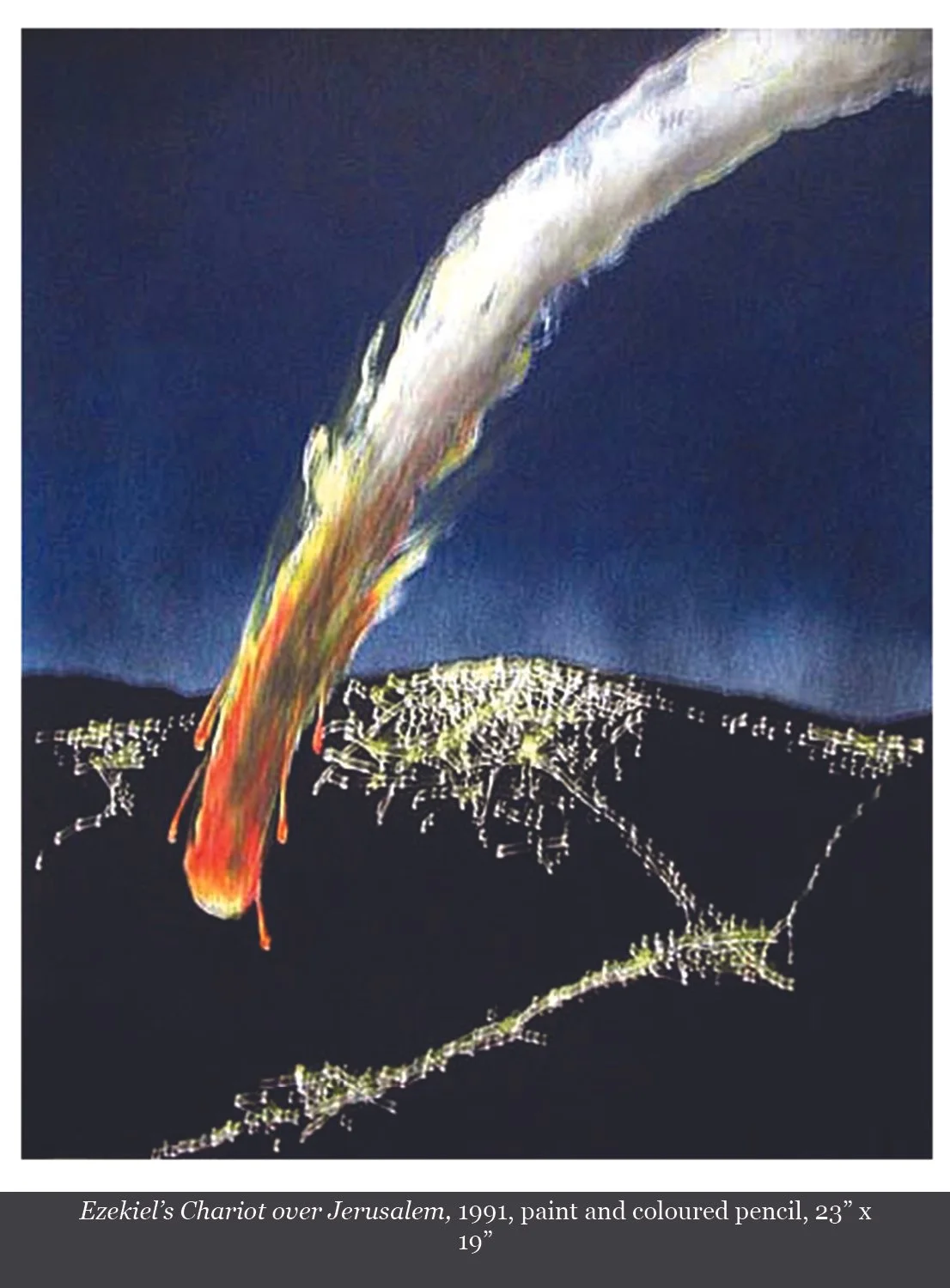
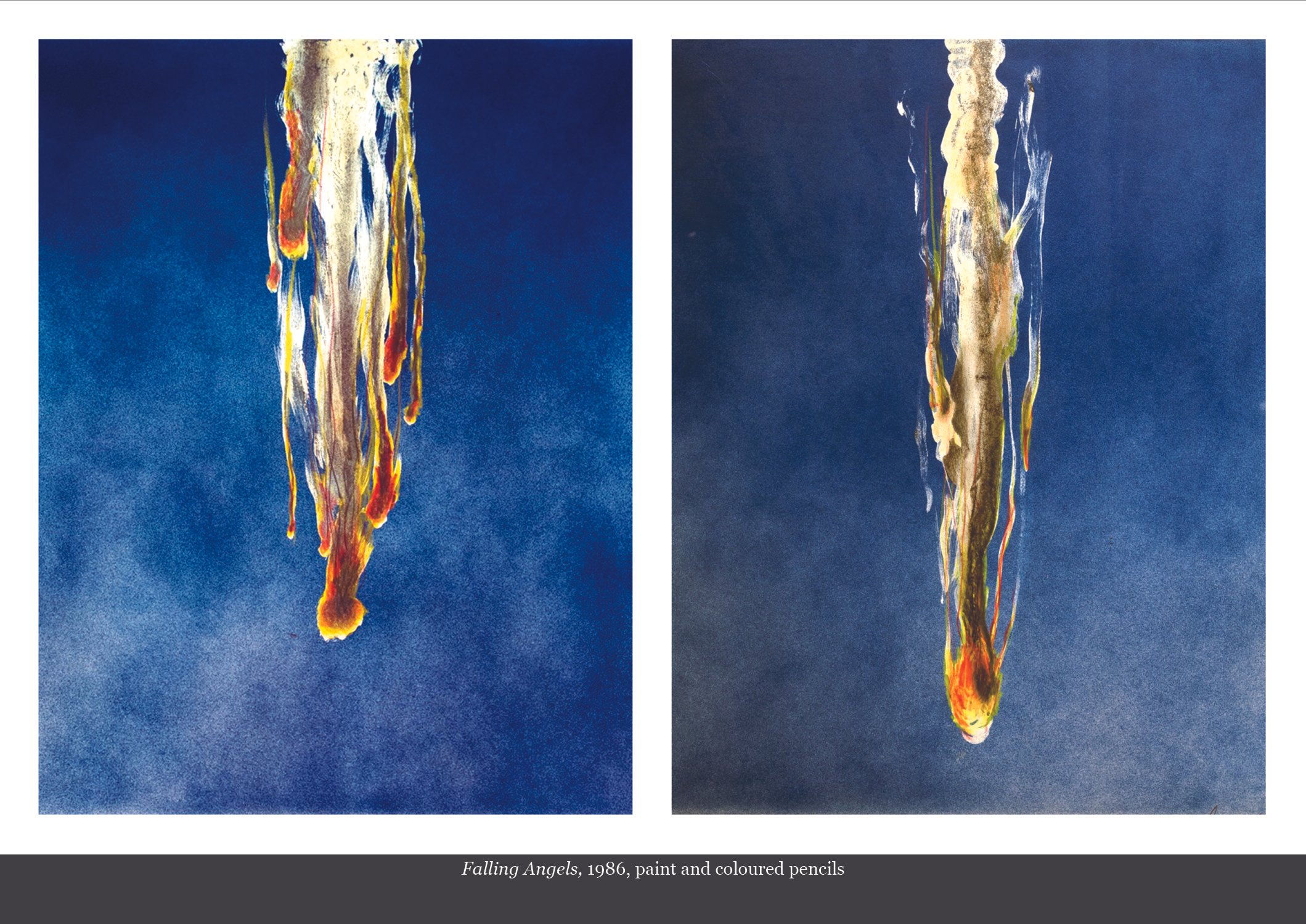
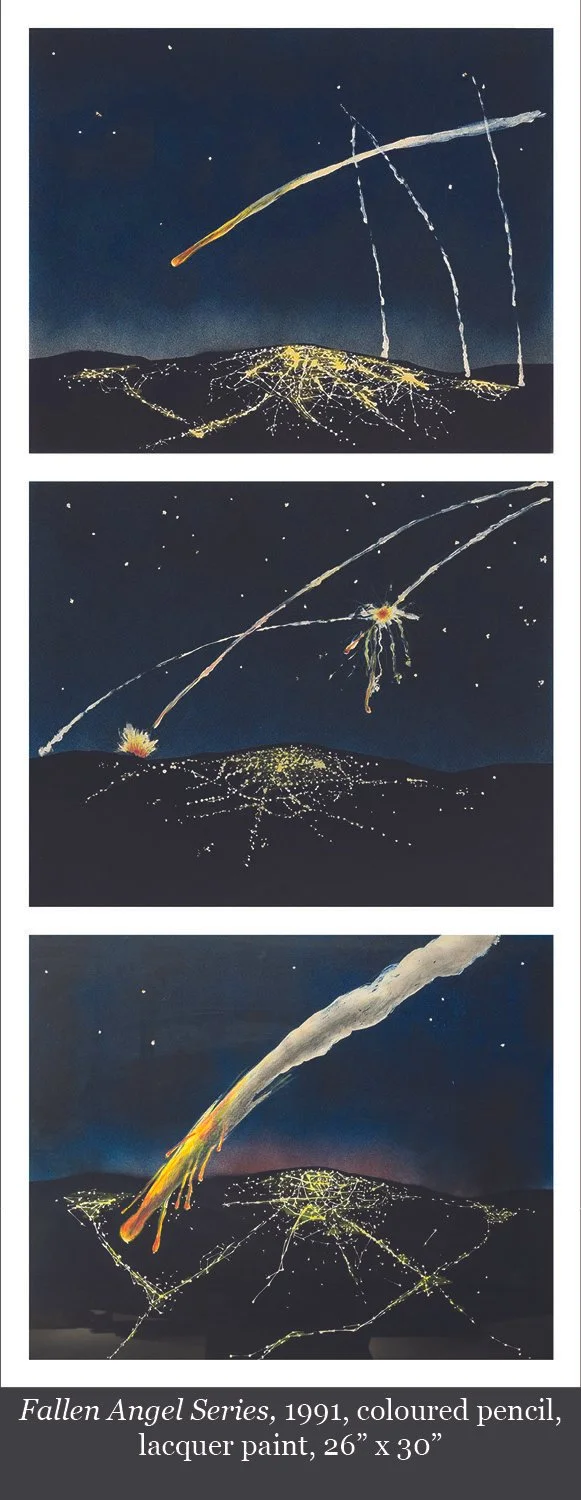
“My art reflects a conjoining of myth, angels, and technology. Myth attempts to give meaning to our lives and enlarges our societal concepts. To keep a concept alive in different areas, symbolism takes on the features of each specific time period. Through the ages the images of angels have reappeared with the persistency that underscores their importance. Though they have taken many forms, the basic idea has remained unchanged, that the fate of angels is akin to that of man’s and reflects the same potential for good and evil. My work also embodies a fear that springs from the possibilities of the duality for good and evil. Fear, myth, and angels are related to technology being the myth maker of this century. Technology, in our time, has reached a level of complexity that has placed it beyond the comprehension of most people save the experts in any given field. This lack of knowledge and comprehension is serving as the generator to birth our own myths and fears.”
Don Bonham
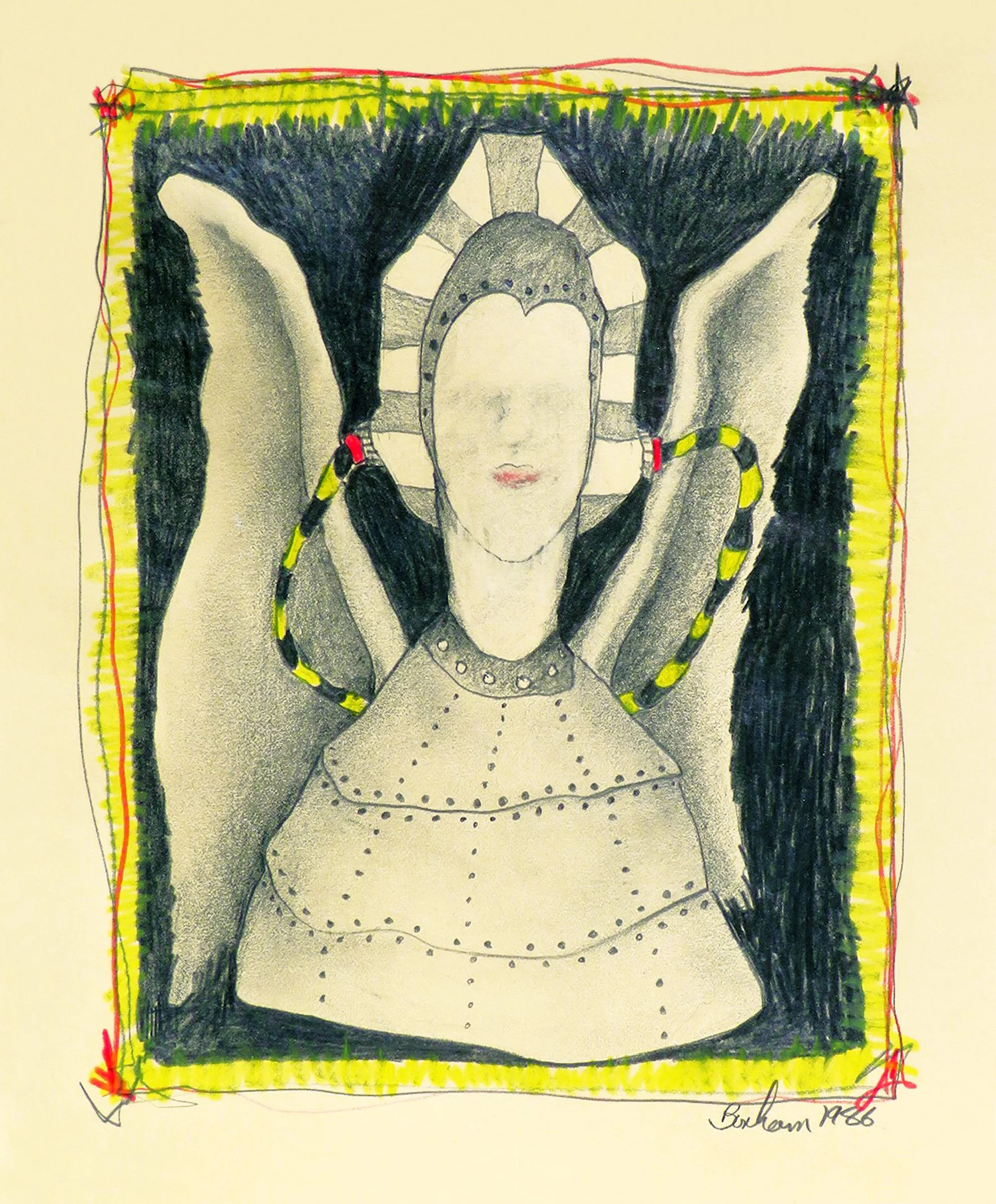
Angel, 1986, drawing on paper
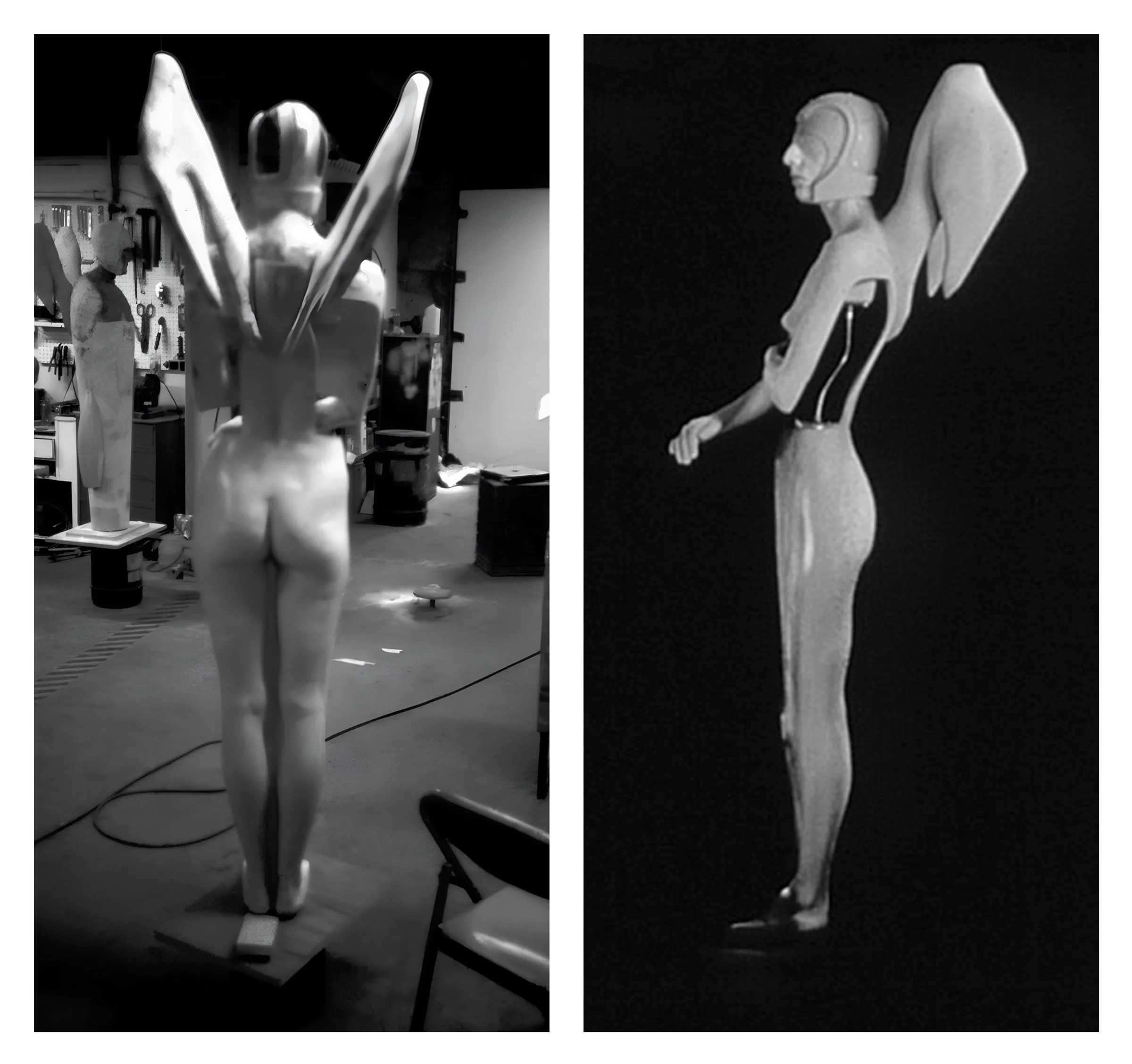
Karamuth, mixed media sculpture, fibreglass, wood, metal
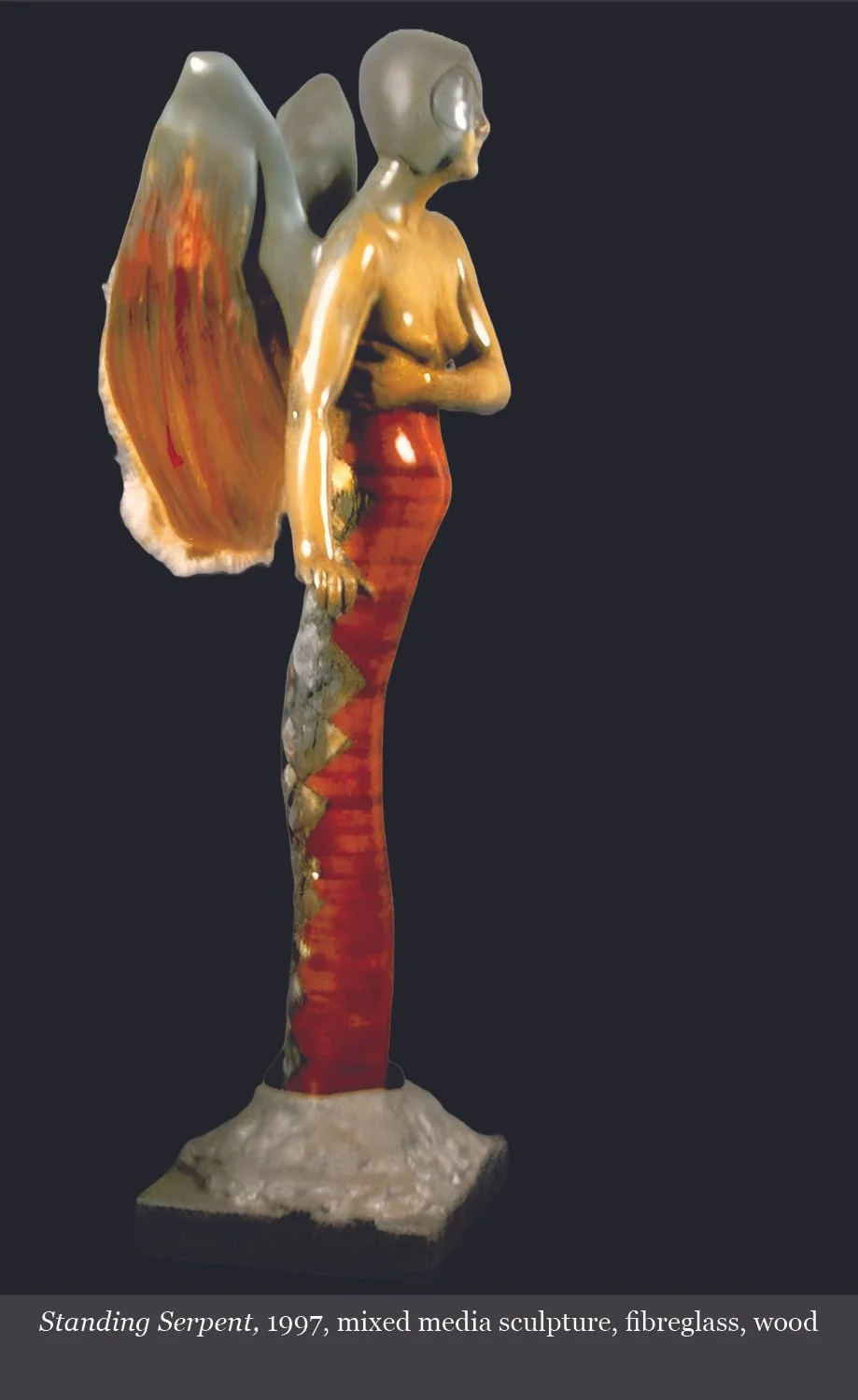
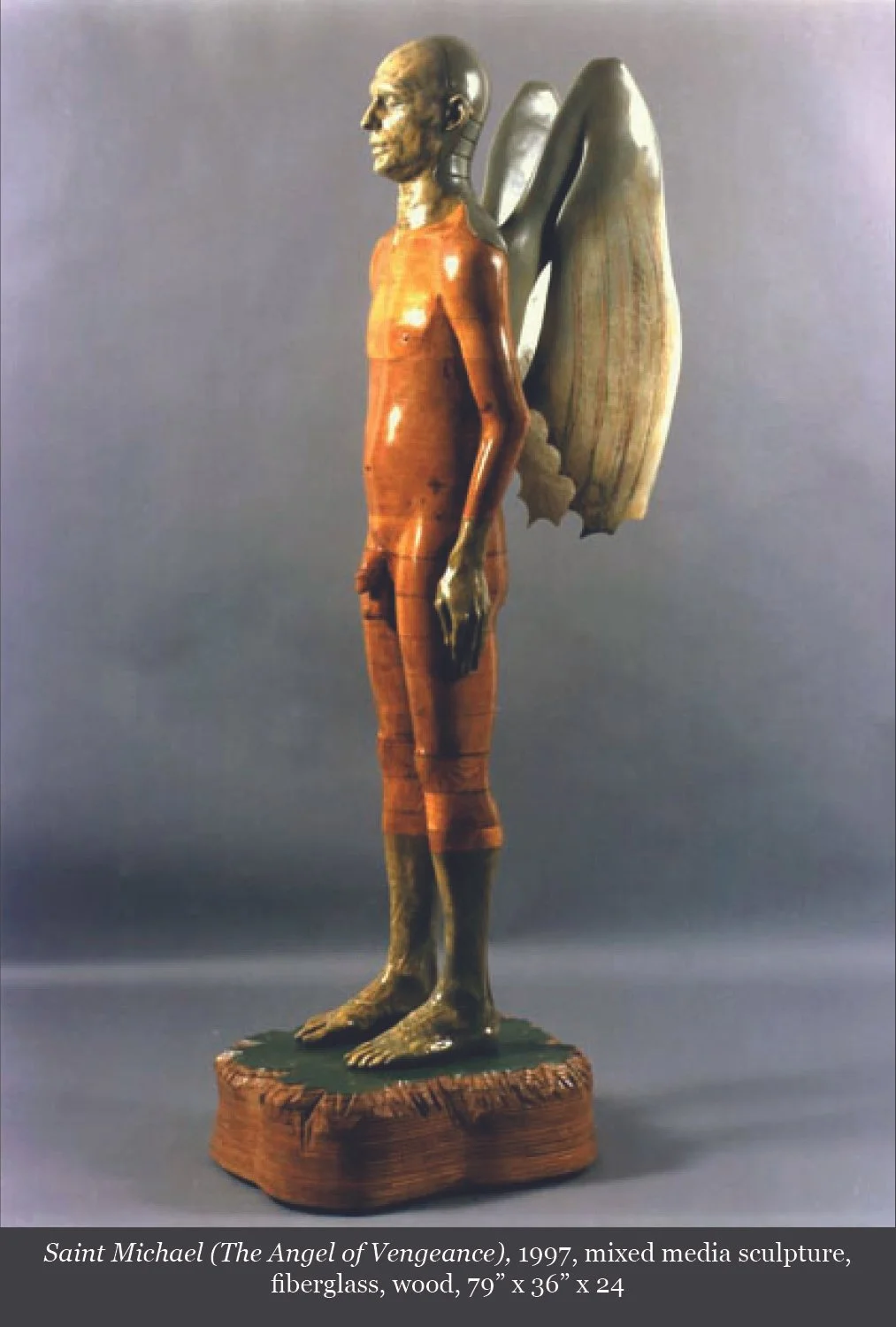
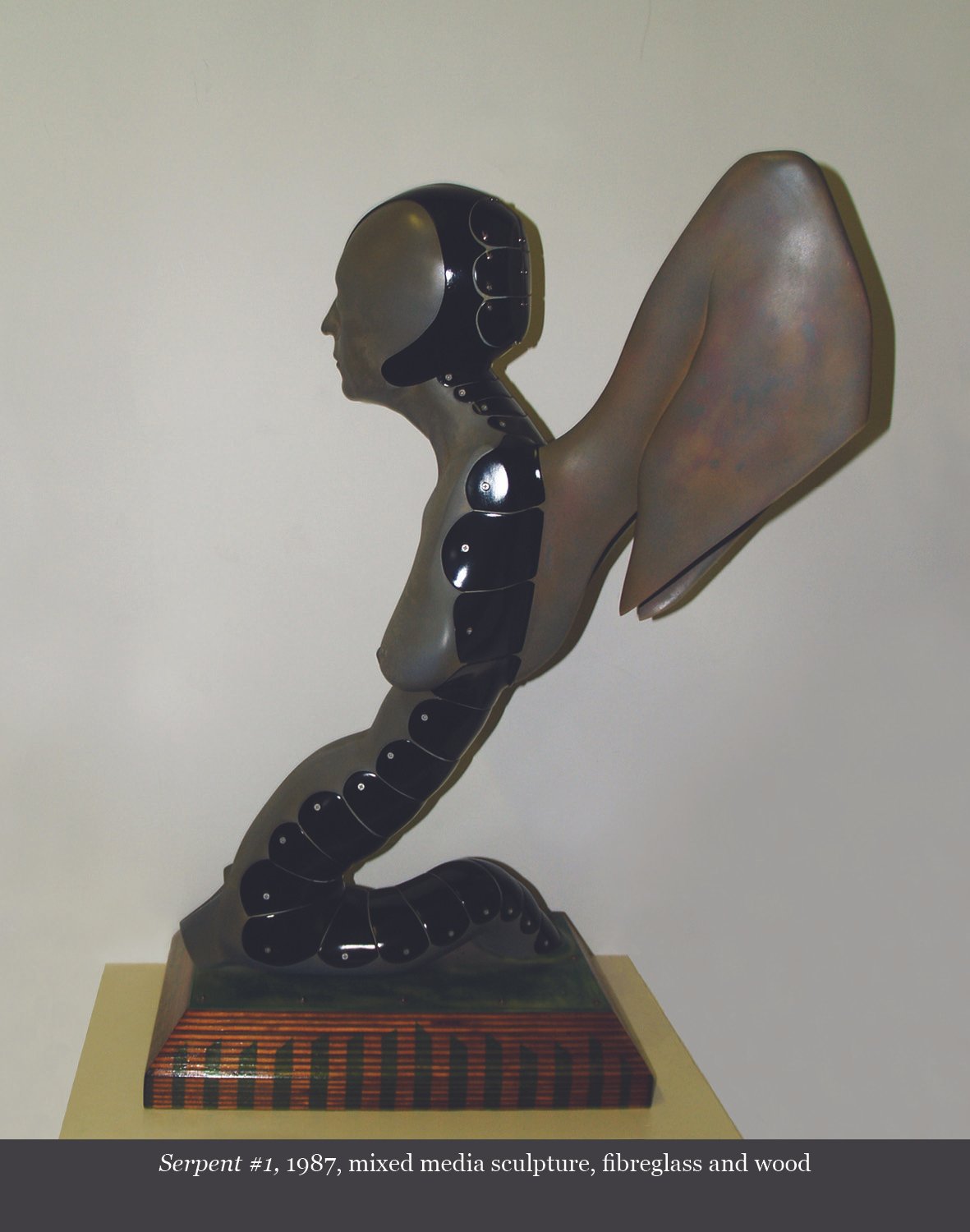
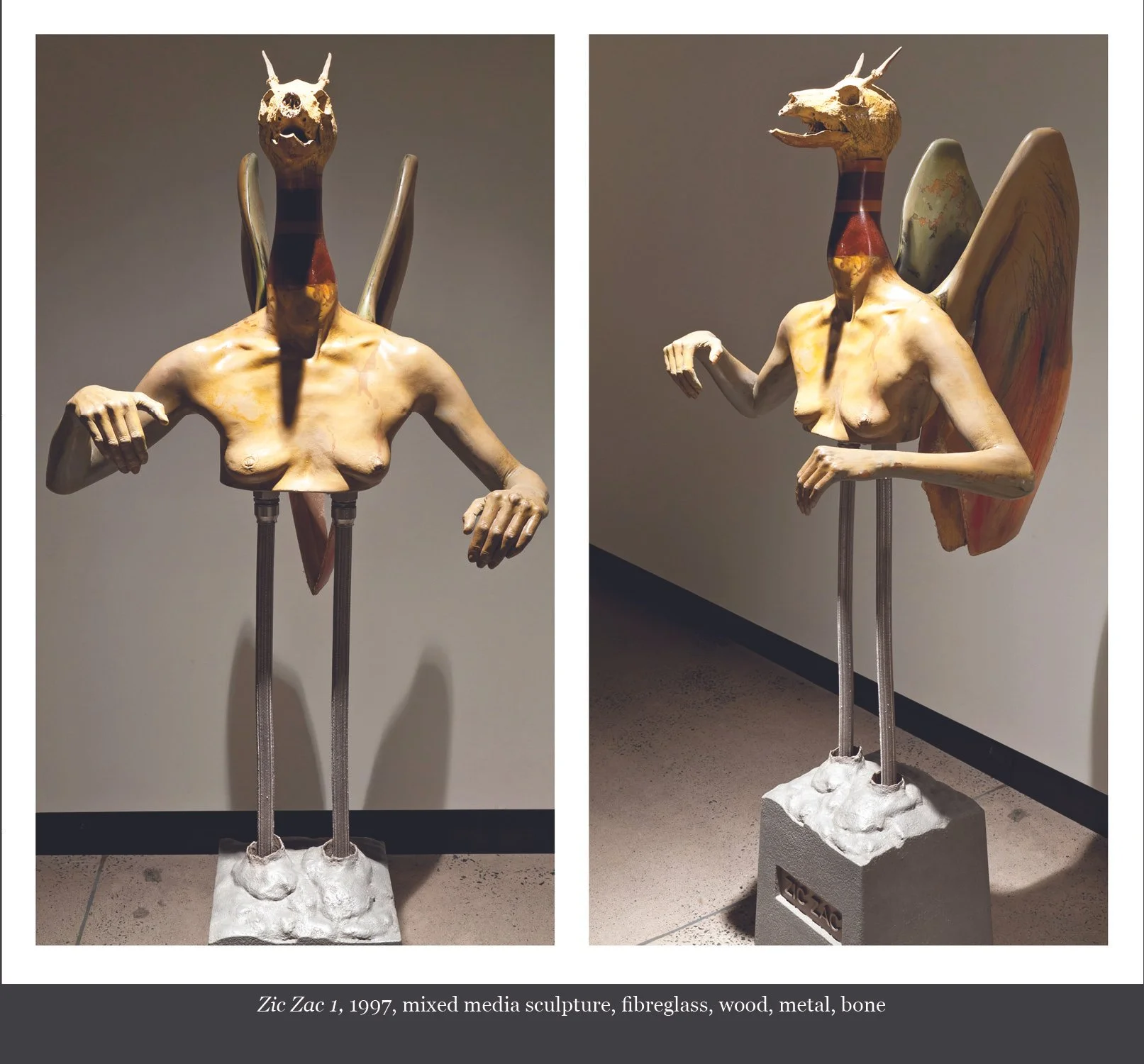
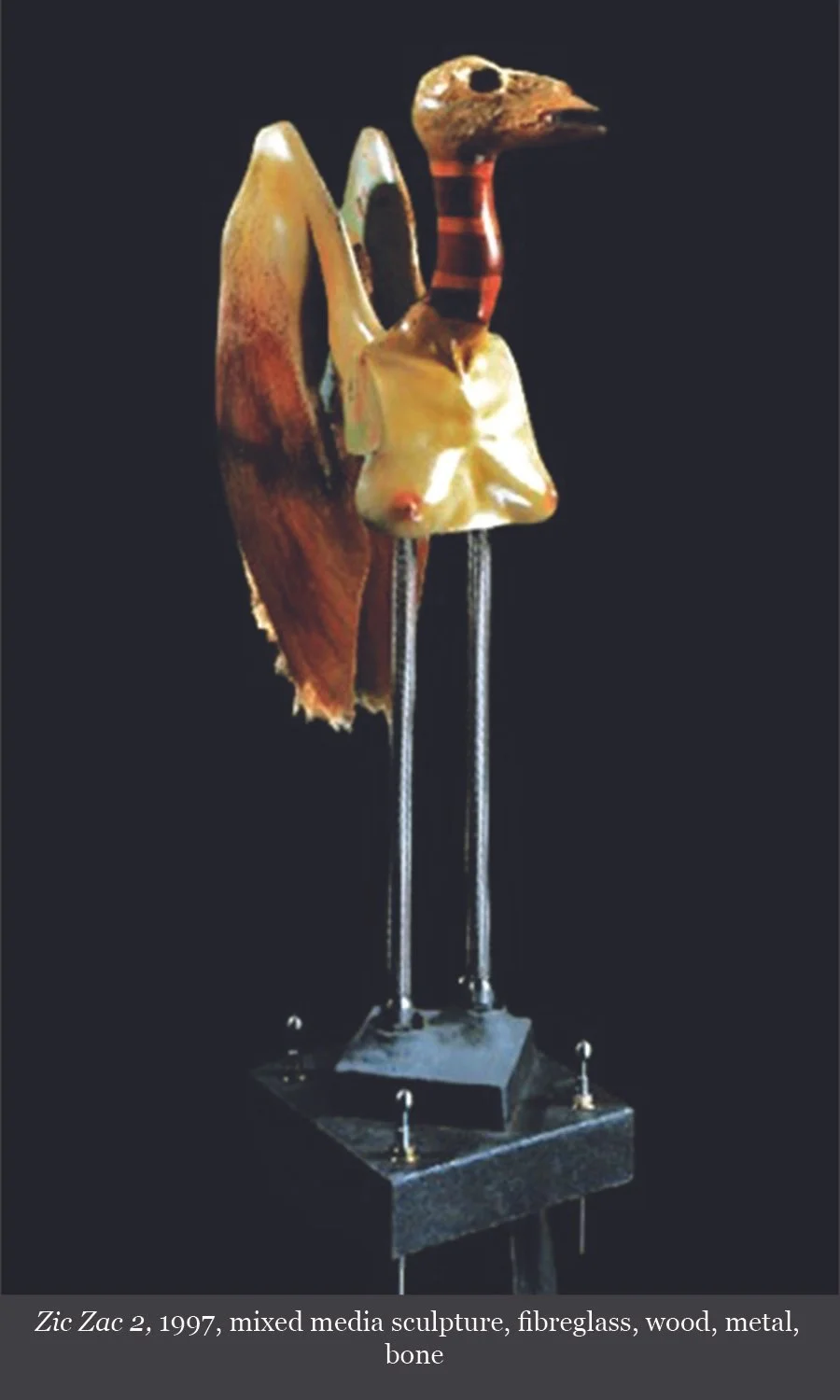
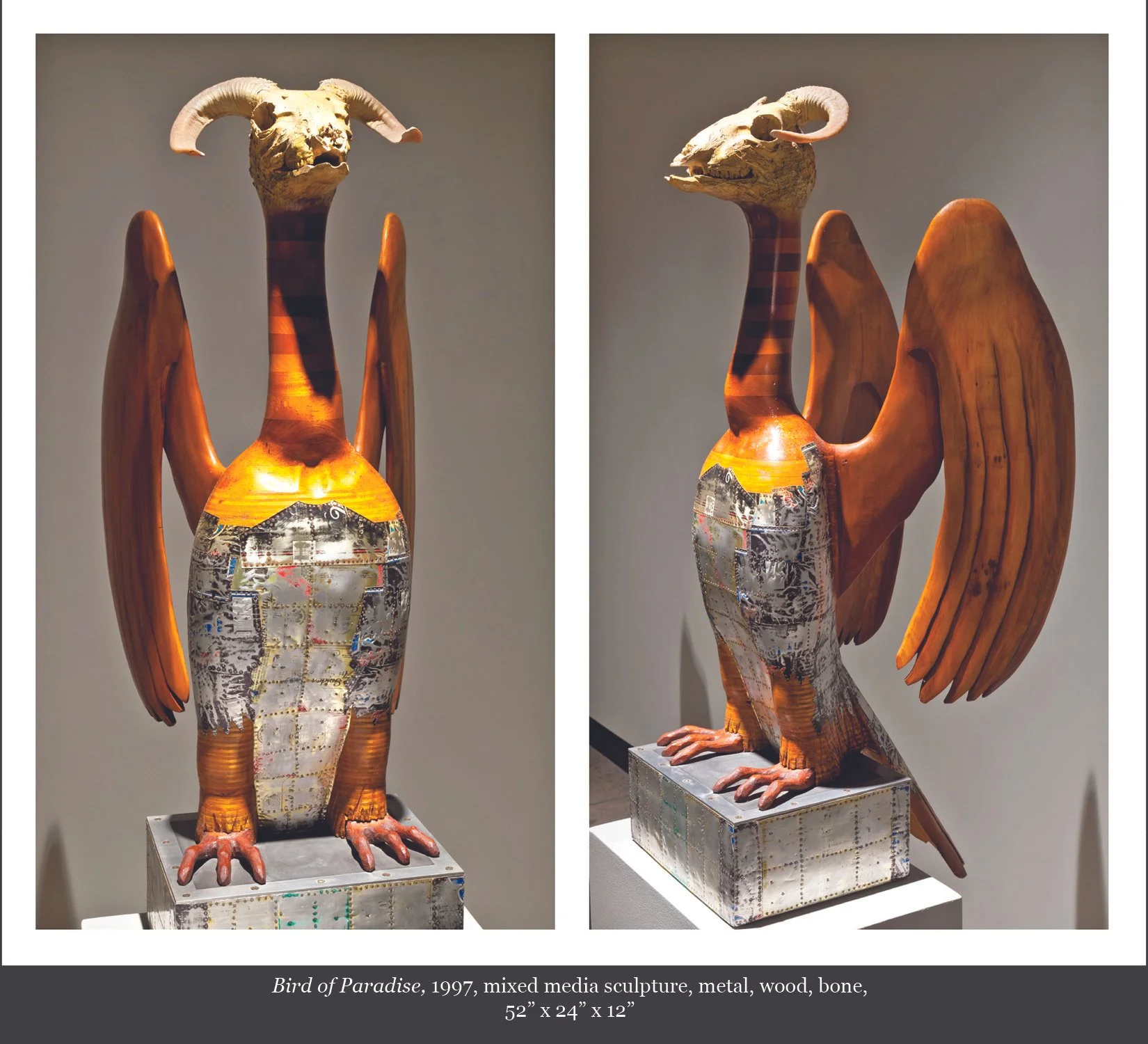
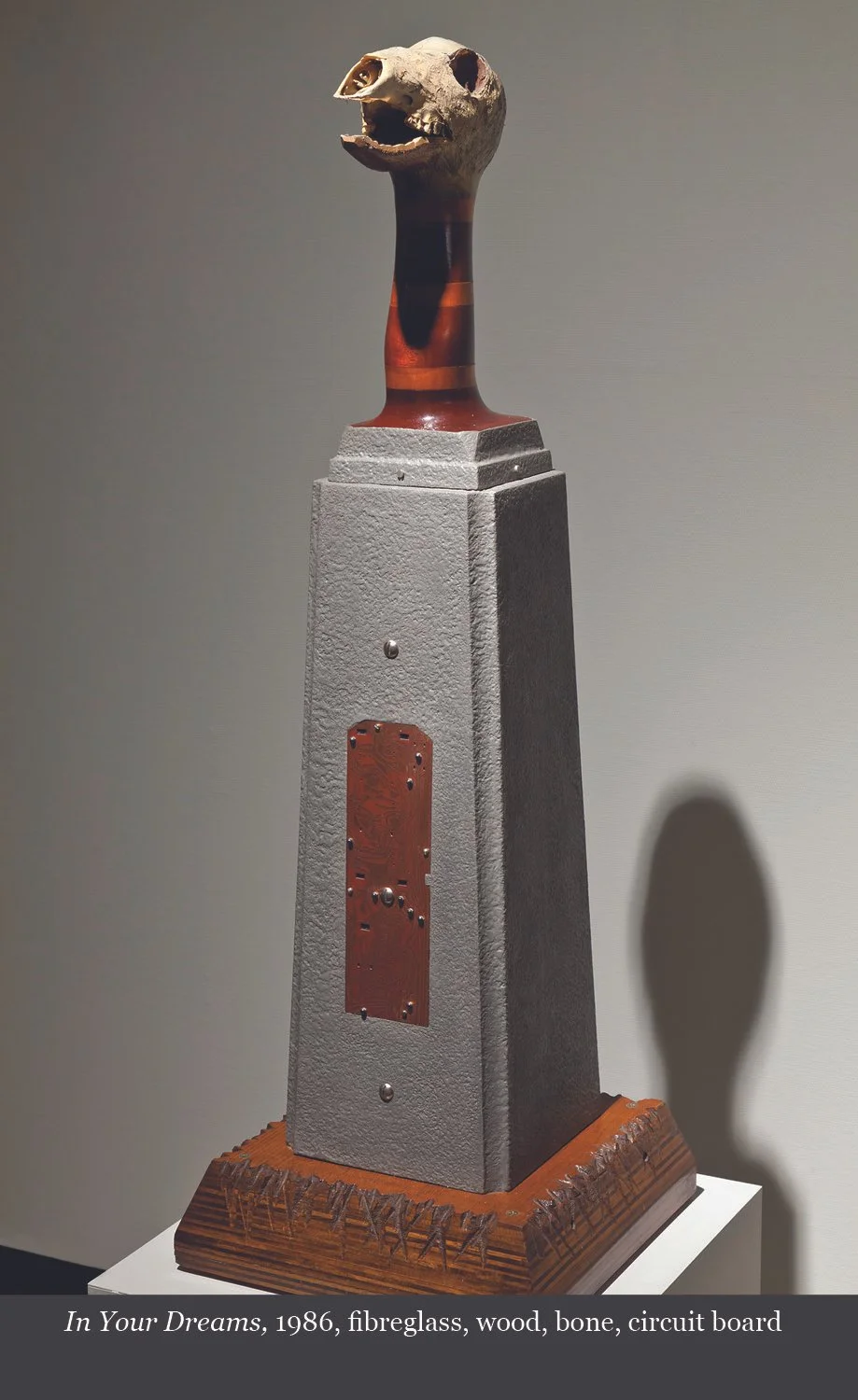
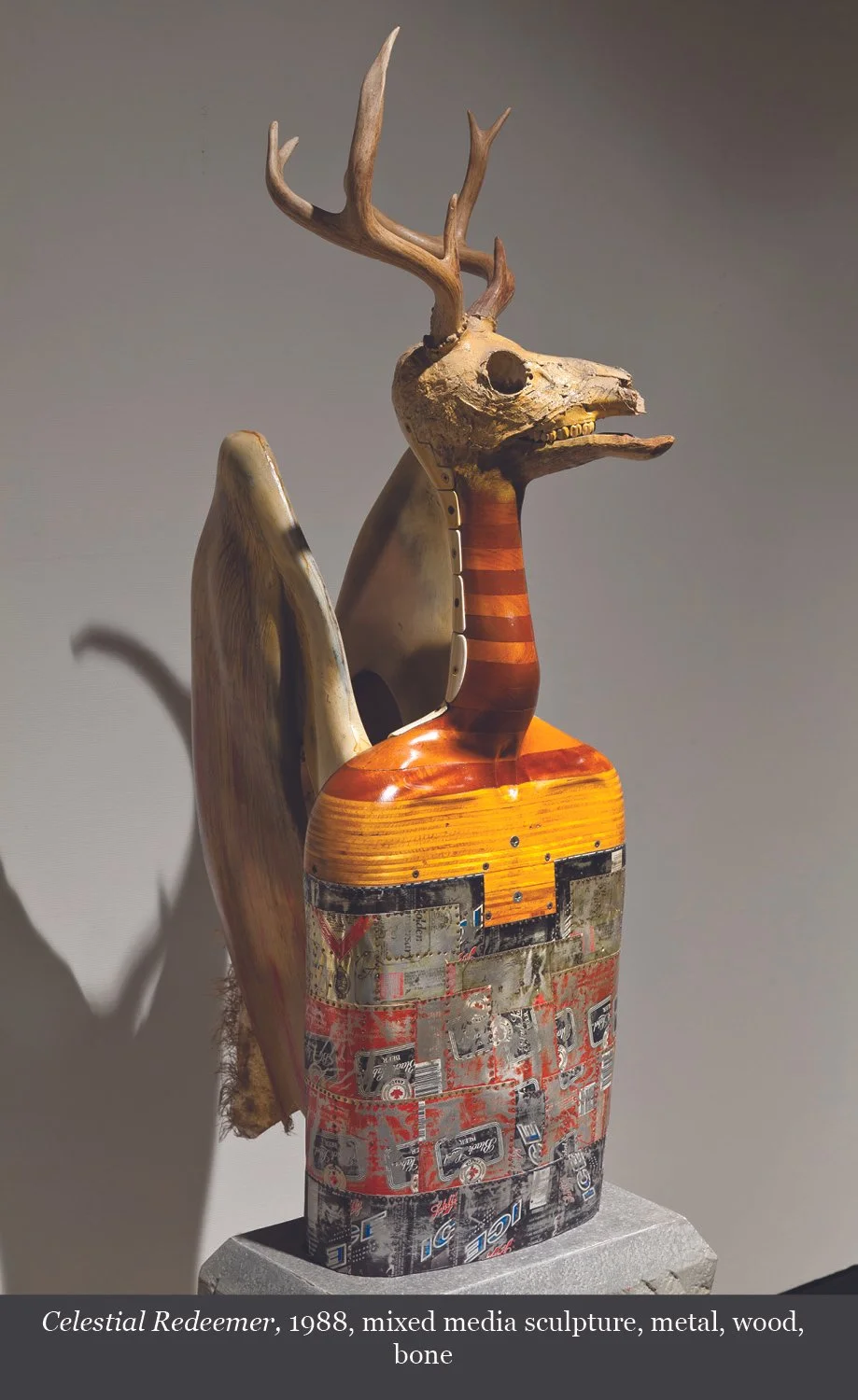
In Bonham’s art, angels take on a variety of unnatural composite forms, not only of large-scale flying machines and war machines, but also of winged serpents (symbolic of the union of earth and sky), seraphim, cherubim (the supernatural winged beings that guarded the entrance to the Garden of Eden after Adam and Eve were driven out of Paradise), standing figures such as Saint Michael (The Angel of Vengeance) (1997), numerous portrait busts, and various totemic bird forms. Uncanny figures such as Zic Zac 1 (1993), a reference to the bird that helps the crocodile by eating the parasites in its mouth, and Bird of Paradise (1997), which features an altered Ram’s skull, embody both good and evil, recalling gargoyles, chimeras, the Grotesque in French Gothic sculpture, and the hybrid creatures (half-human/half-animal) of ancient mythologies. These fantastical figures comprise a human body with an antlered animal or bird head, or rather skull. Symbols of mortality’s inevitable conclusion (Memento Mori) and reminiscent of the zoomorphic iconography of Egyptian deities, such as the falcon-headed Horus, God of the sky, war, and hunting, or the jackal-headed Anubis, god of the dead, they read as sentinels watching over some unseen liminal zone or secret portal between earth and the netherworld.