Twentieth Century North American
Landscape Artist
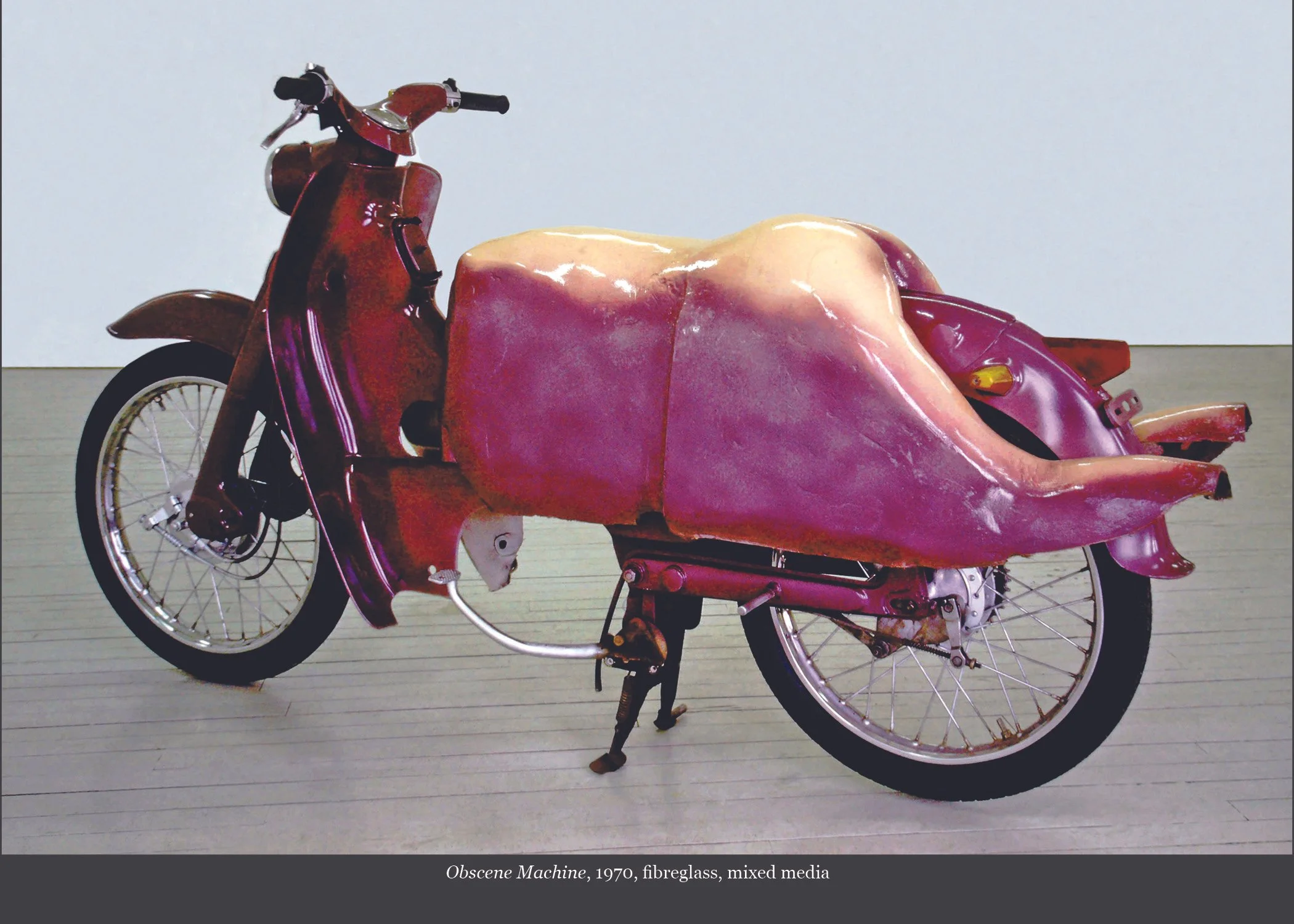
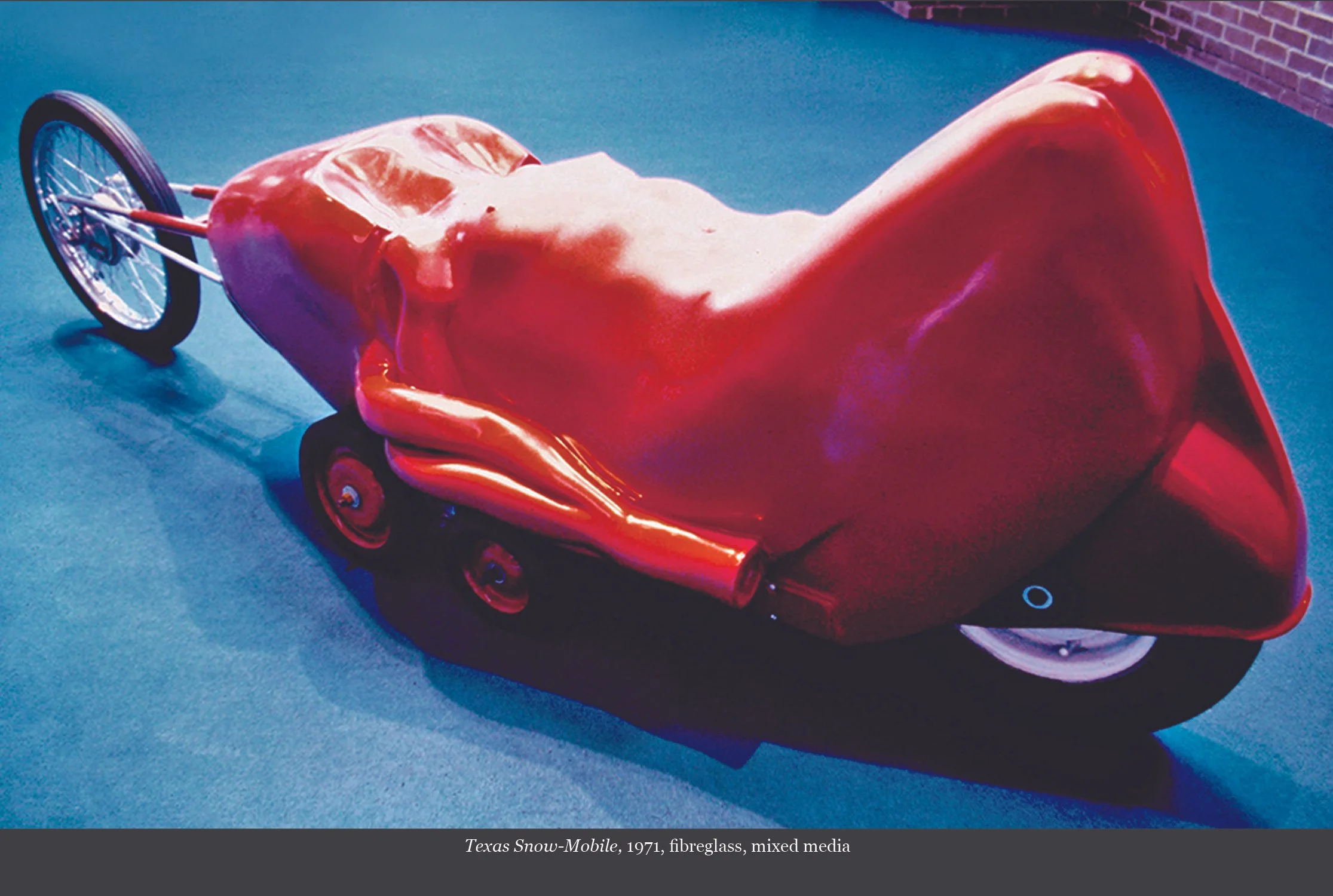
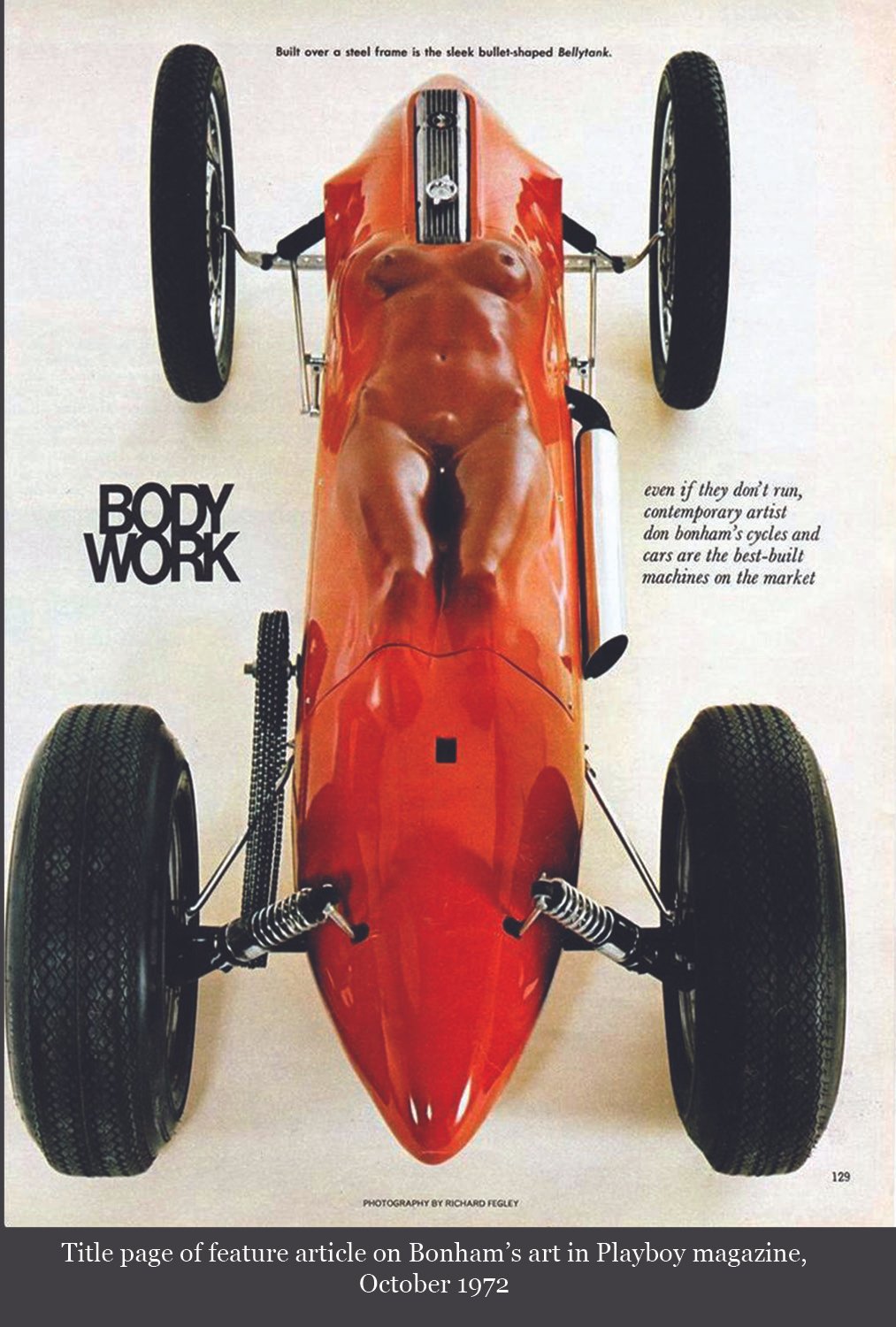
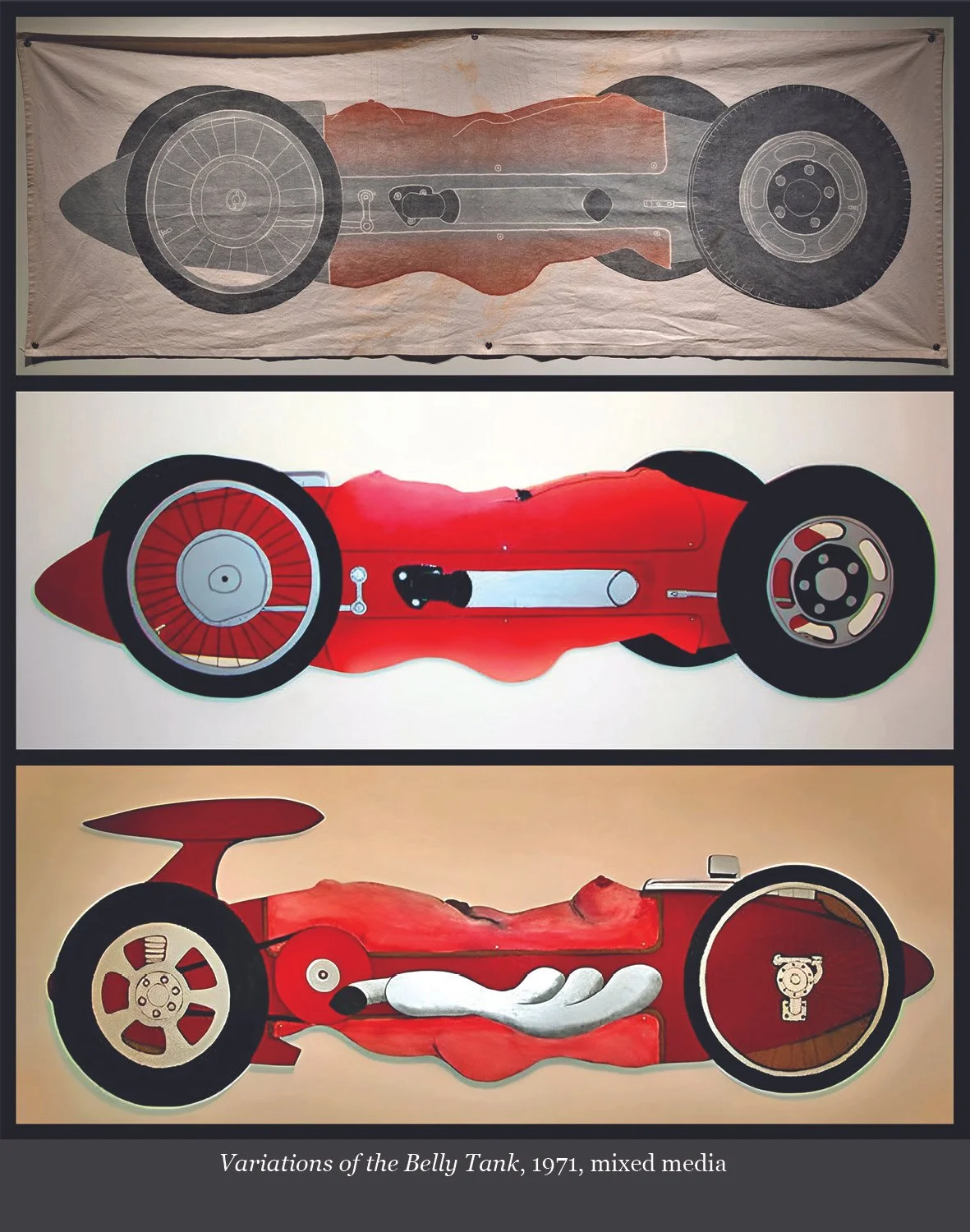
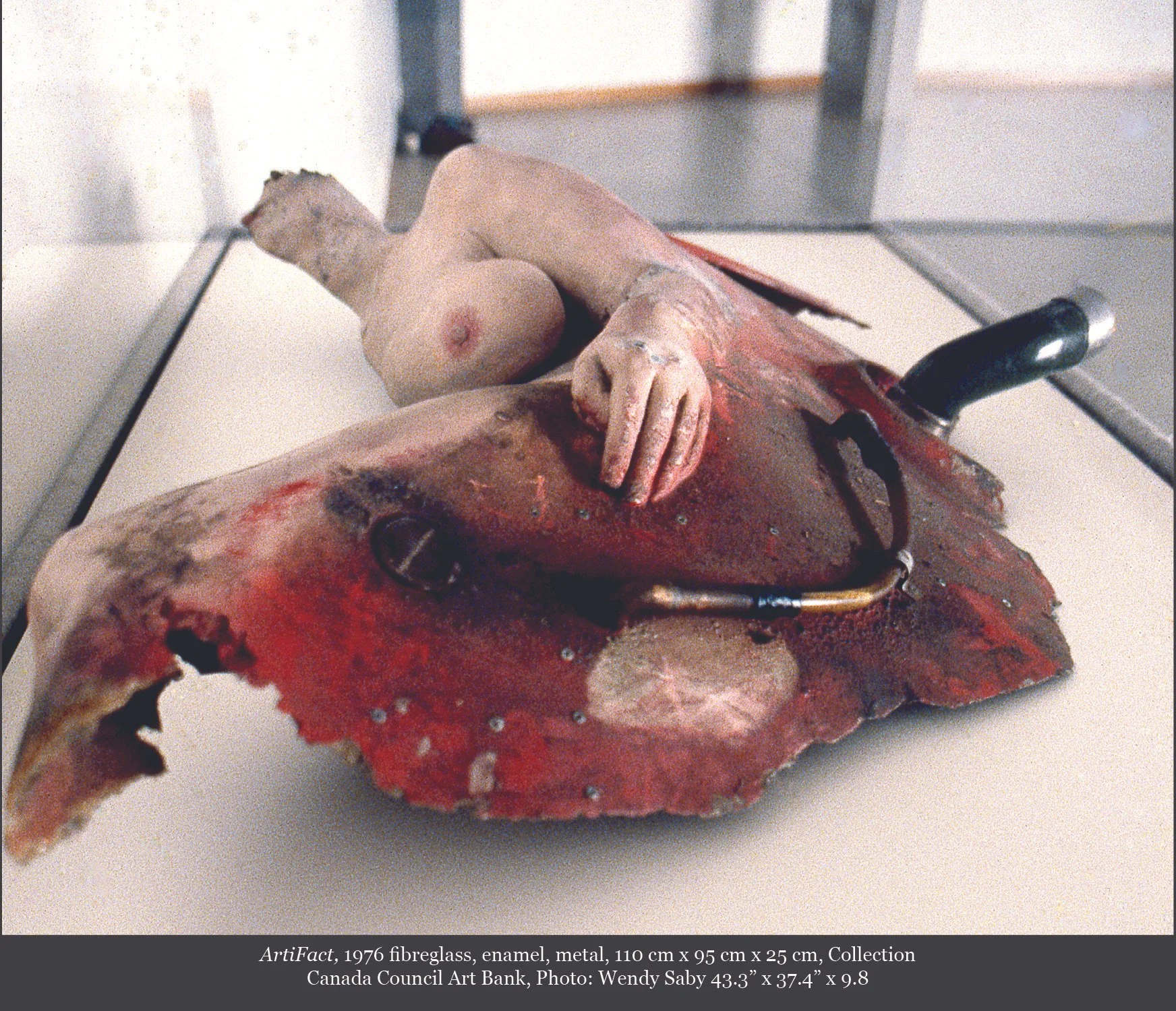
I make no judgement of the landscape I inhabit, which is composed of cars, sex symbols and commercialism. I’m just reflecting it in my art.
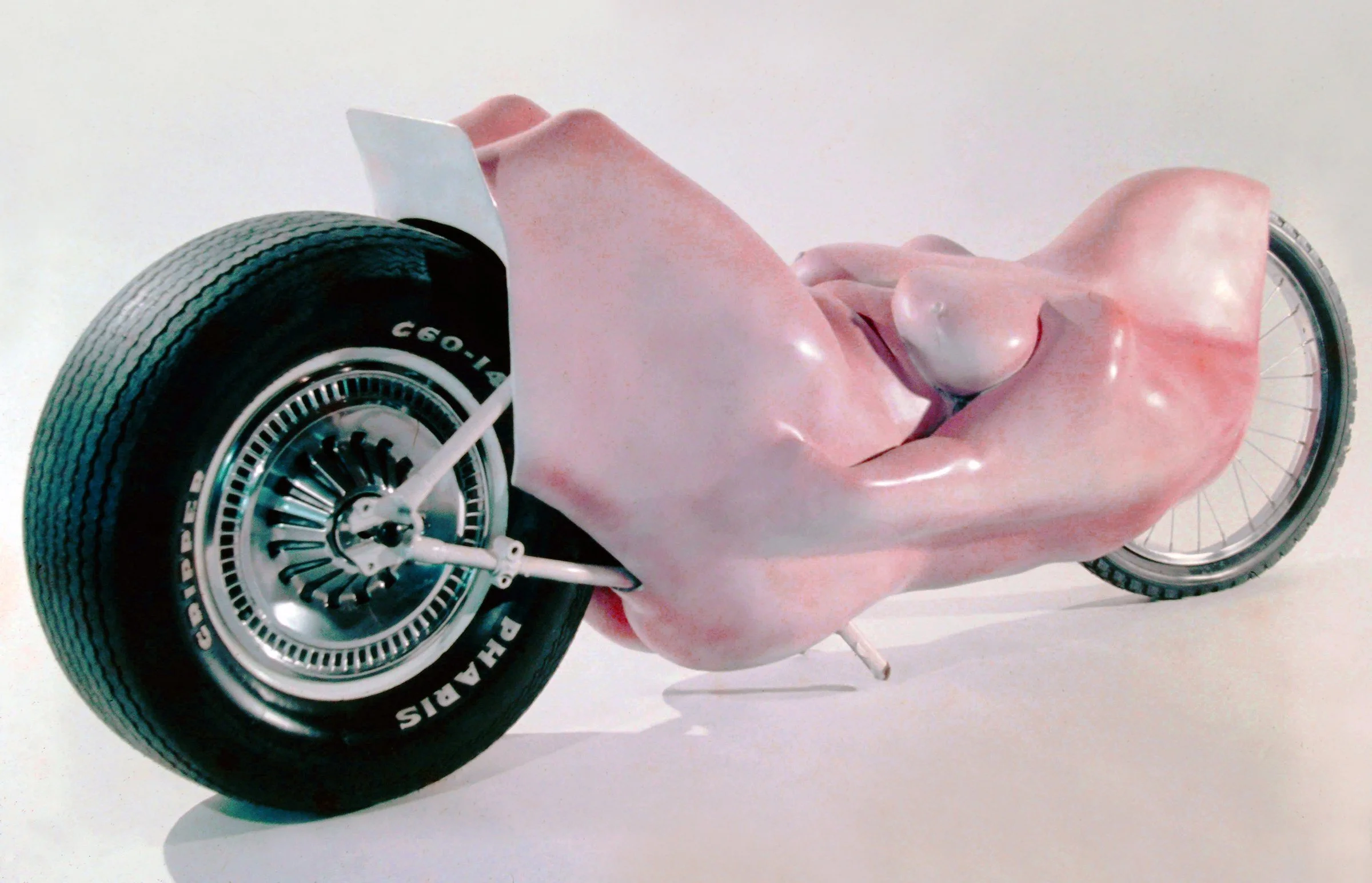
The first time I melded the human form with technology was after I observed some guys on their motorcycles. I thought, “This is intercourse.” So, the first few machines I made were of the female form combined with a motorcycle. For Maggie-Cycle, I used Honda and Triumph parts. When I make my machines, I have the obvious organic shape of the human body and somewhere along the line it bleeds into a geometric shape, into a motorcycle, a racing car, a flying machine, a helicopter, or whatever it may be.
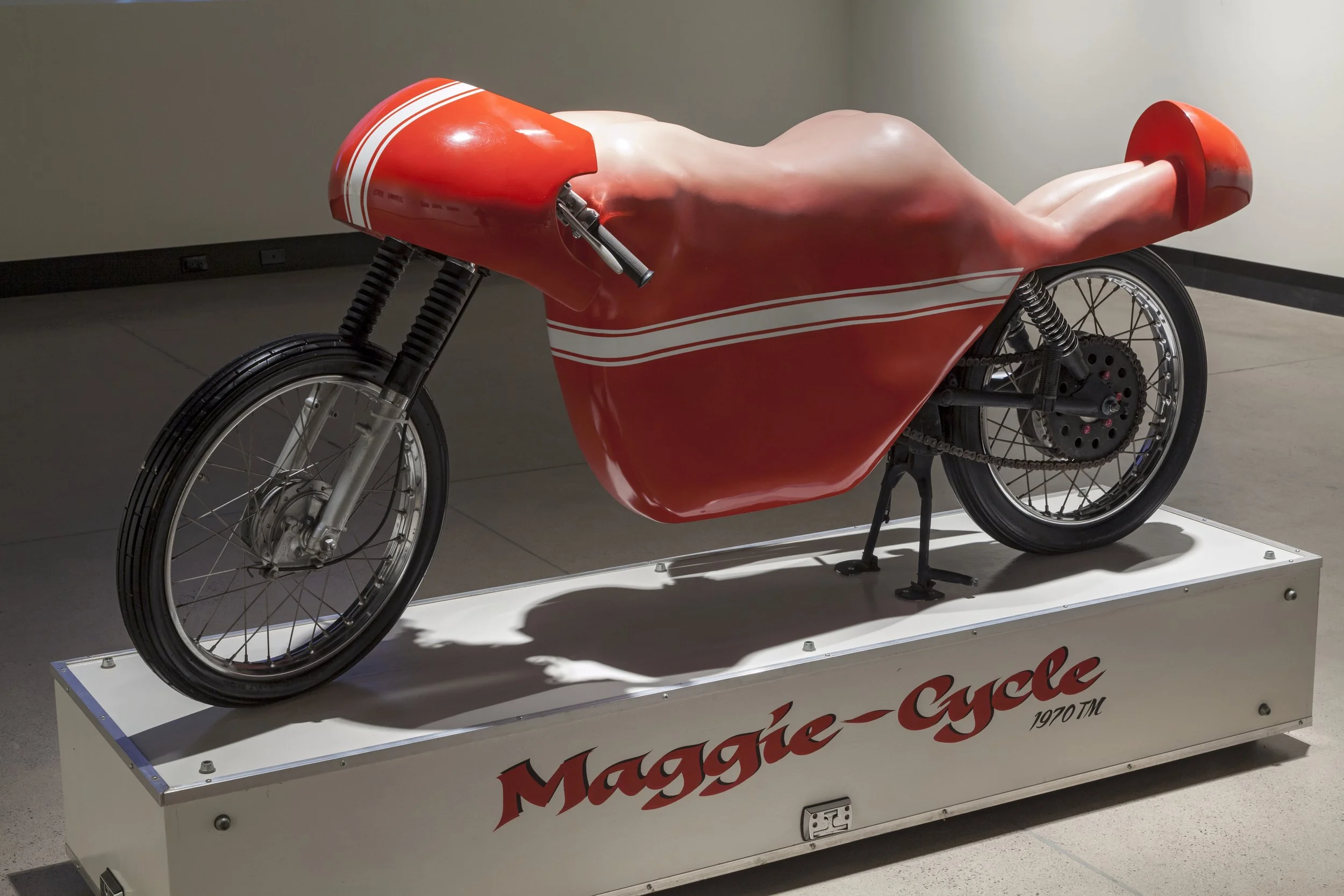
Maggie-Cycle, 1970, fibreglass, mixed media, 84” x 50” x 26”
There are three major recurring themes in my work. First is the fear of, and prejudice against, modern-day technology. As with ancient civilizations that created myths to explain the unknown, we are developing myths and philosophies that are strongly “anti-tech.” The second is the worship of technology. It is awe-inspiring and incomprehensible to the common person. Heroes and cult figures have been created in the form of race drivers, pilots, and astronauts who have seemingly conquered it. Thomas Wolfe’s books The Right Stuff and The Kandy-Kolored Tangerine-Flake StreamlineBaby have reflected this reverence for the persuasive, yet fearsome, phenomenon of technology in a verbal form, which directly parallels my insights in the visual and performance arts.
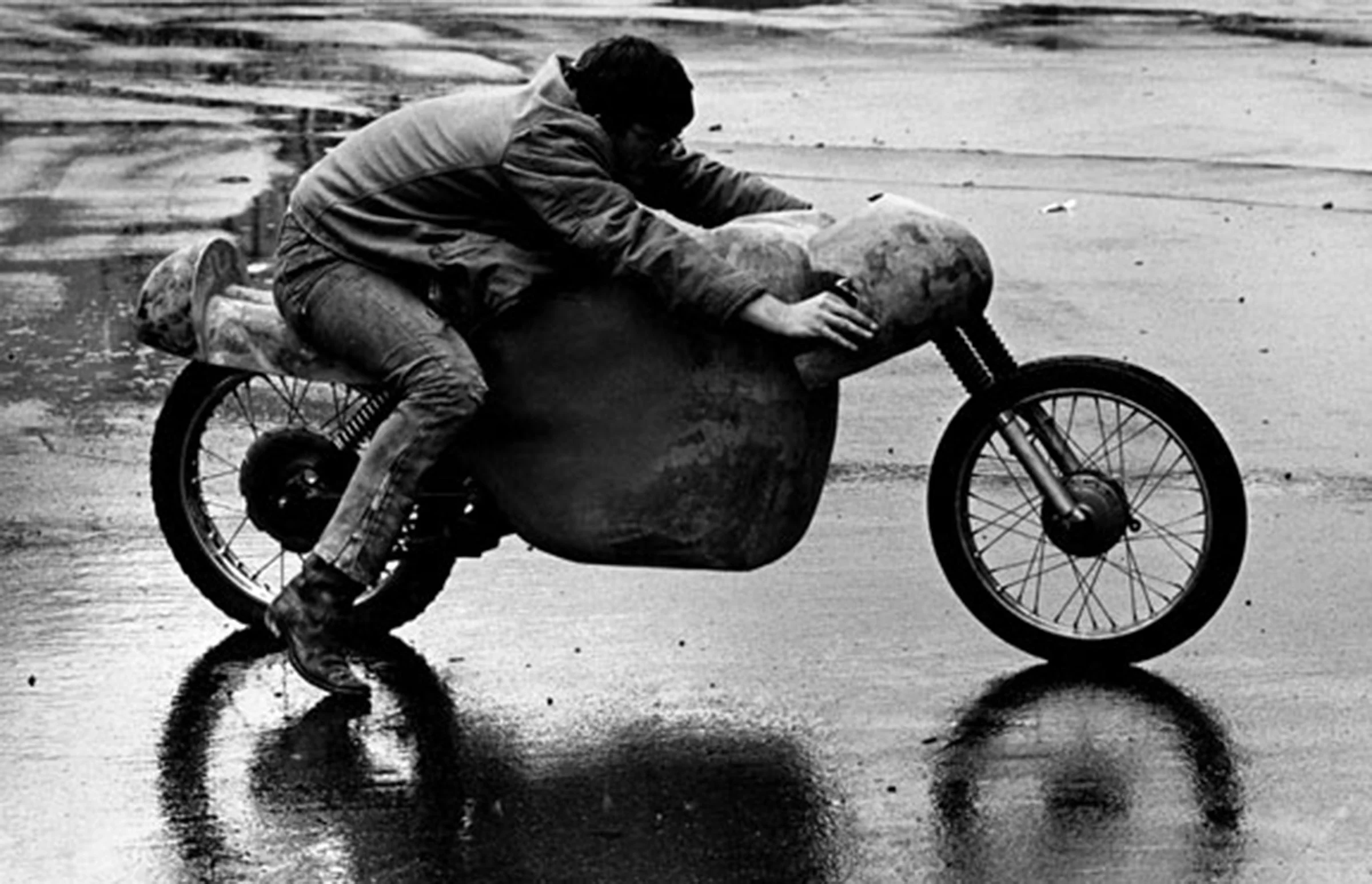
Don Bonham riding one of his motorcycle sculptures, 1969
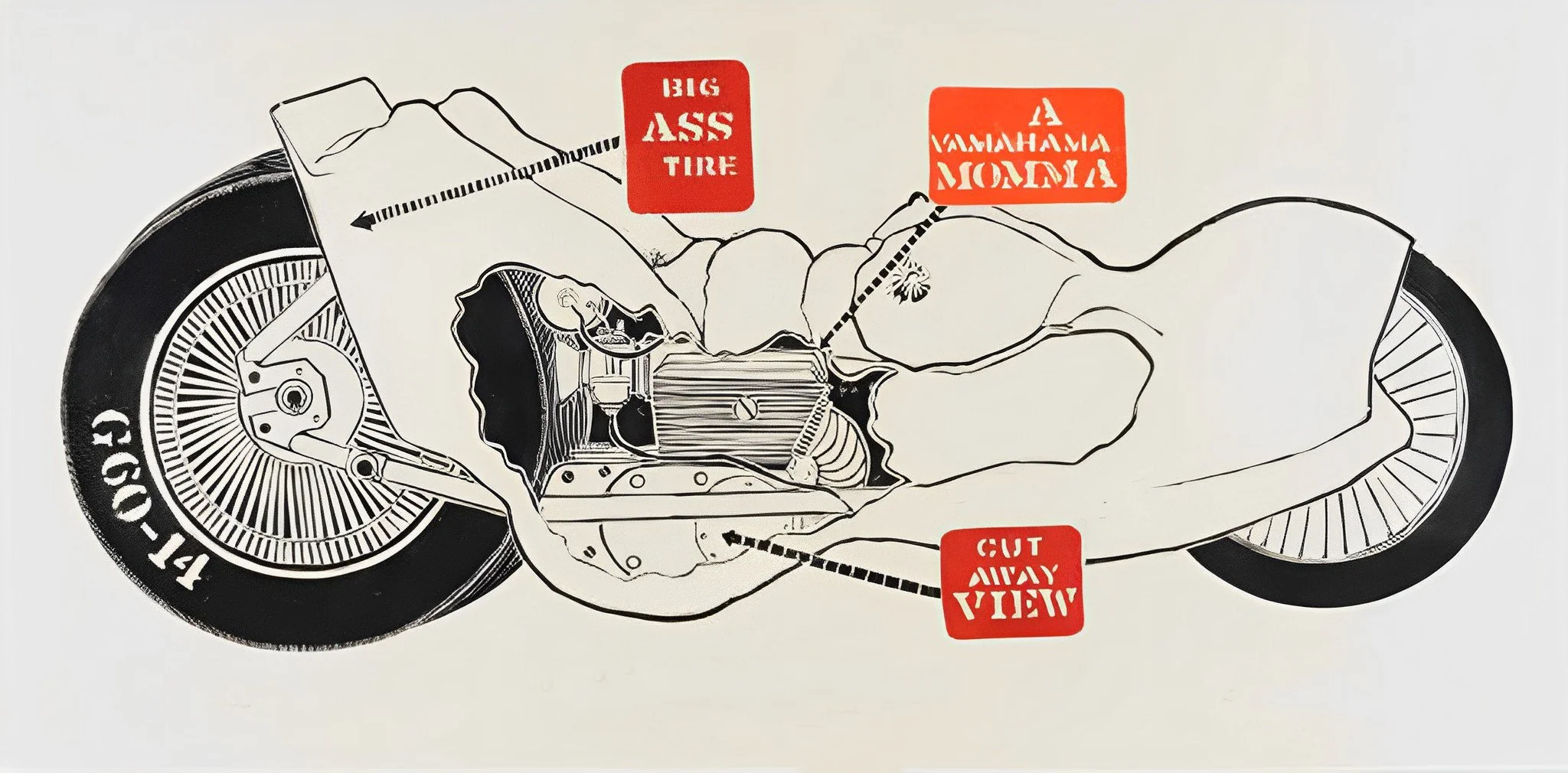
A Cut-Away View of Yamahama Momma with Big-Ass Tire, 1973, woodblock print, 20.8” x 41.8”
I’ve been labelled a Pop artist and many other things, but I prefer to call myself a “Twentieth- Century North American Landscape Artist,” a title I gave myself in 1971. And the reason for this is that what I am reflecting in my work is my landscape, the landscape we inhabit today, which is not beaches or marshlands or pine trees or mountains, but machines. I don’t live in that natural world. I live in technology. Highways, cars, jet aircraft – that’s my landscape. I live in a world of steel, concrete, glass, and brick walls, and that is why I work with the materials I do and in the idiom I do. I am fascinated by the technology that surrounds our modern life, and by the myths, the heroes, and the cult figures determining and determined by technology.
And third, I have observed how technology emulates nature. As technological “monsters” like Concorde jets and F-18 fighter jets take on forms that are immediately recognizable as biological shapes, and hydraulic and electronic systems in function and appearance mimic nervous systems, it is at once obvious that technology will not conquer nature or improve on nature. Technology, in assimilating nature, becomes nature – becomes second nature – hence landscape.
It is my view that one must not be frightened by technology, but should appreciate it and, by accepting it, grow to understand it – to be fascinated to the extent that we have a long hard look at it, for to observe is the first step to understanding.
Don Bonham
Yamahama Momma, 1972, fibreglass, mixed media
Traumfeuer (Dream Fire) (1984)
A major theme of Bonham’s artistic expression is the intertwining of sex and death. Empowered by libido energy, his many vehicles capture the tension between Eros and Thanatos by fusing the pleasure of sexual intercourse with the threat of danger and possible death from crashing. Giving concrete form to the death instinct, Traumfeuer (Dream Fire) (1984) was inspired by the aerodynamic Formula 1 single-seat auto racing cars, the fastest road course machines in the world from which fatalities are inevitable. Plastered with advertising logos of corporate America and recalling “Big Daddy” Ed Roth’s wild hot-rodding monsters of 1960s Kustom Kulture, the fearsome helmeted skull of its driver explicitly signifies the expectation of being killed or of incurring a fatal injury.
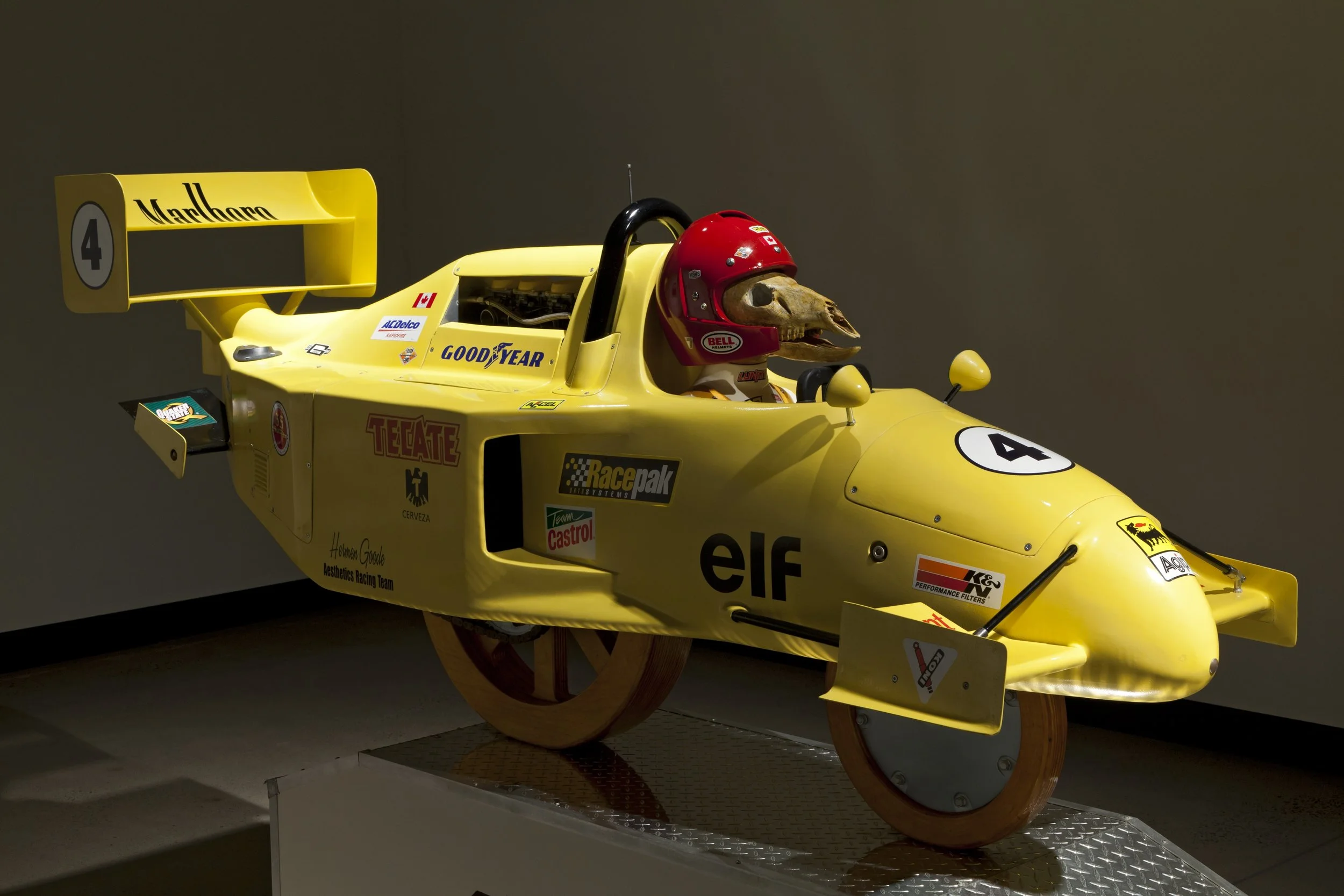
Traumfeuer (Dream Fire), 2005, fibreglass, metal, wood and mixed media, 6’ x 3.5’ x 5.5’